
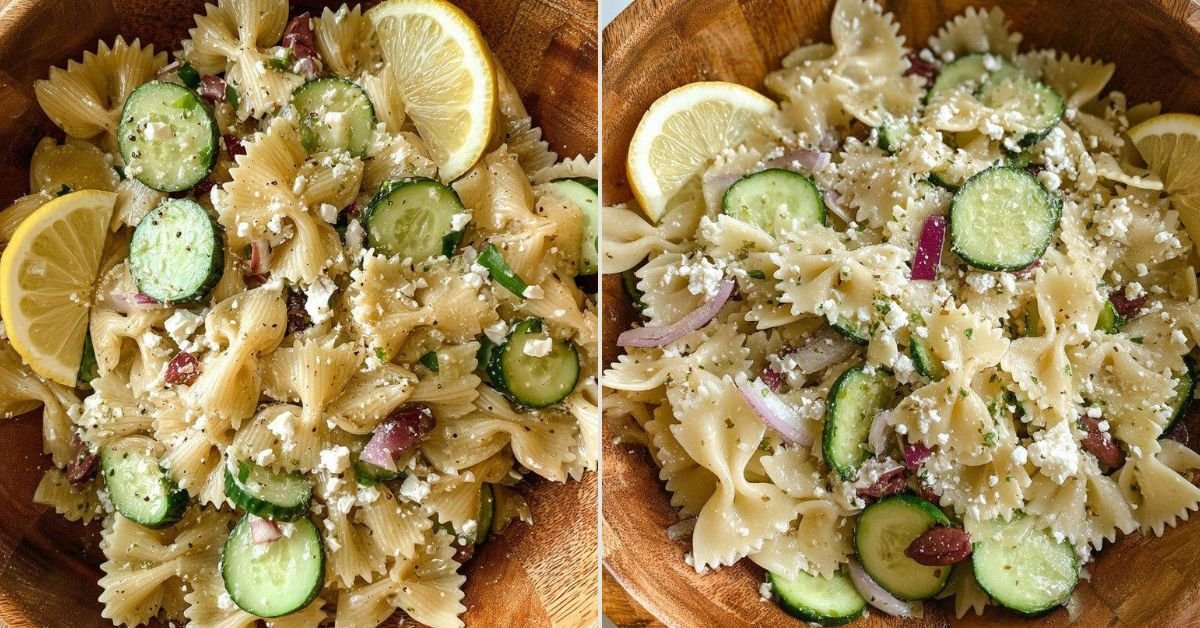
1) What I Learned Testing Mediterranean Pasta Salad
Pasta salad can look fresh and still taste flat, oily, or soggy after one hour in the bowl. I’m Lila, and my first few versions had exactly that problem: soft pasta, watery cucumber, and dressing that slid to the bottom. After testing the cooling time, lemon-to-oil balance, and how small to dice the onion, I discovered that a brighter dressing and fully cooled pasta make cucumber pasta salad feel crisp instead of heavy. This became my calm, reliable summer cucumber pasta salad for family lunches, picnic plates, and those warm evenings when I want something refreshing without fuss.
Table of Contents
- 1) What I Learned Testing Mediterranean Pasta Salad
- 2) Key Takeaways
- 3) Easy Mediterranean Pasta Salad Recipe
- 4) Why Most Mediterranean Pasta Salad Recipes Fail
- 5) Ingredients for Mediterranean Pasta Salad
- 6) How to Make Mediterranean Pasta Salad
- 7) Recipe Card: Mediterranean Pasta Salad
- 8) Tips for Making Mediterranean Pasta Salad
- 9) Common Mistakes & Fixes
- 10) How to Tell Mediterranean Pasta Salad Has the Right Texture
- 11) Professional Secrets Behind Better Mediterranean Pasta Salad
- 12) Best Dishes or Pairings to Serve With Mediterranean Pasta Salad
- 13) Making Mediterranean Pasta Salad Ahead of Time
- 14) Storing Leftover Mediterranean Pasta Salad
- 15) FAQ (Real Cooking Questions)
- 16) Save This Mediterranean Pasta Salad Recipe
- 17) Conclusion
- 18) Nutrition
2) Key Takeaways
- Cool the pasta completely before mixing so the cucumbers stay crisp and the goat cheese keeps its creamy little crumbles.
- Whisk the lemon juice and olive oil separately before adding them to the bowl; this helps the dressing coat instead of pooling.
- Dice the red onion small, because large pieces can make a gentle lemon cucumber pasta salad taste sharp and uneven.
- Season after tossing, not before, because pasta absorbs lemon, salt, and oil differently once the salad is fully mixed.
3) Easy Mediterranean Pasta Salad Recipe
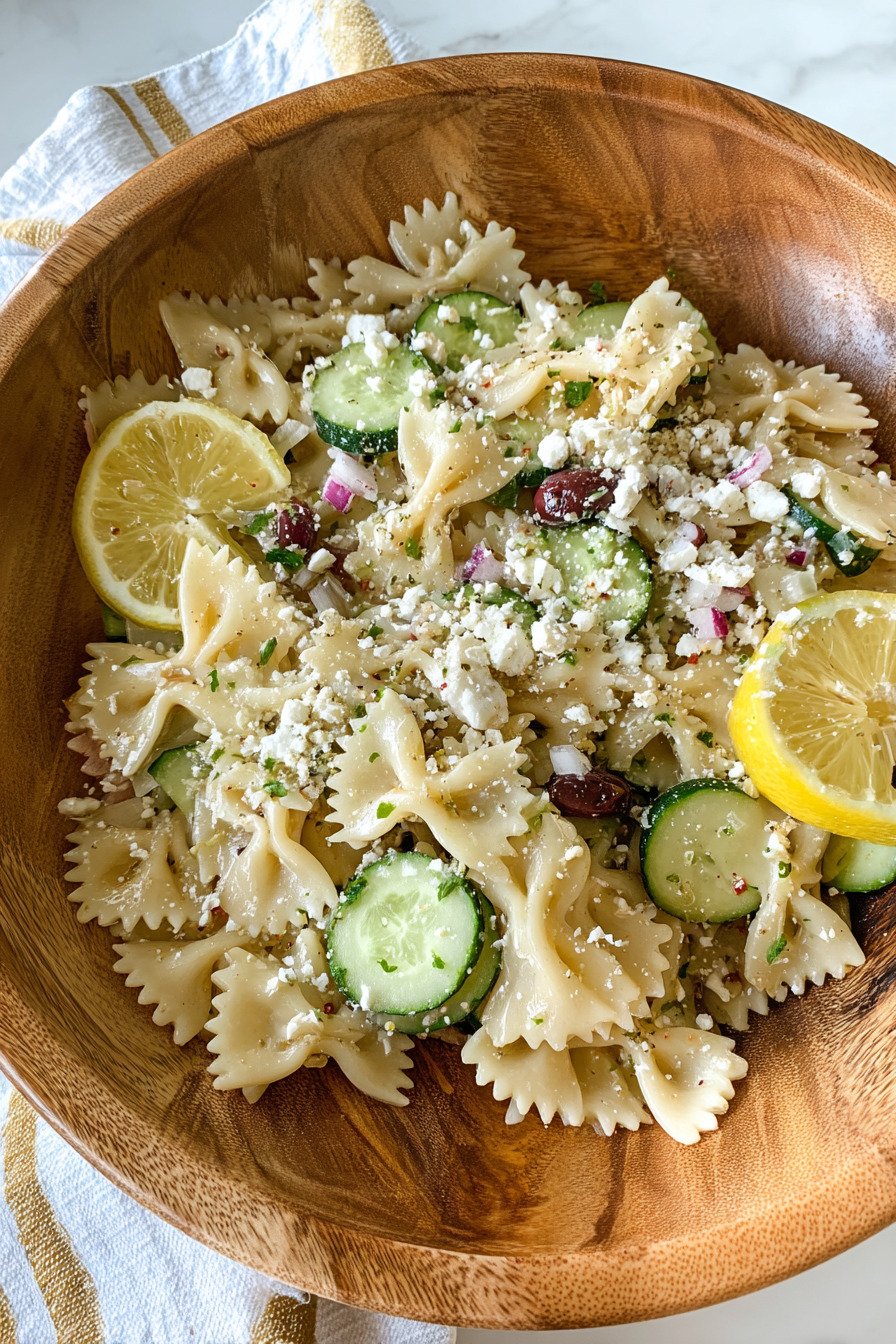
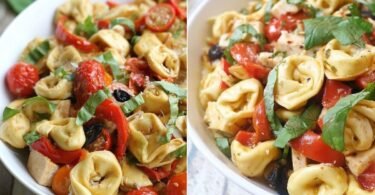
This Mediterranean Pasta Salad is built around a simple idea: pasta should support freshness, not bury it. The pasta needs enough firmness to hold its shape, the cucumbers need enough crunch to keep the salad lively, and the lemon dressing needs enough acidity to wake up the olive oil without making the whole bowl taste sour.
The method works because each part is handled in the right order. Pasta is cooked first and cooled so it stops steaming. Cucumber, red onion, and goat cheese are added only after that cooling step. The dressing is mixed separately so the oregano and garlic powder spread evenly instead of clumping on one patch of pasta. That small sequence is what turns a basic cucumber pasta salad recipe into a bowl that tastes balanced from the first bite to the last.
The finished salad should taste bright, lightly creamy, and fresh. It should not feel greasy. It should not taste like plain pasta with vegetables scattered through it. Every forkful should have a little lemon, a little herb, a little crunch, and enough cheese to soften the edges.
4) Why Most Mediterranean Pasta Salad Recipes Fail
Most pasta salad problems begin with heat and moisture. If pasta is mixed while it is still warm, it continues to release steam inside the bowl. That steam softens the cucumber, loosens the cheese, and makes the dressing taste diluted. Letting the pasta cool first is not a fussy step; it is texture protection.
Another common failure is under-seasoned dressing. Lemon juice, olive oil, oregano, and garlic powder need to be mixed well before they touch the pasta. If they are poured in separately or stirred lazily, one bite tastes sharp, another tastes oily, and another tastes like plain noodles. A small bowl and a quick whisk solve that.
The third issue is watery vegetables. Cucumbers are refreshing because they hold water, but that same water can thin a dressing if the pieces are too large or if the salad sits too long after mixing. Mini cucumbers work especially well here because they give crunch without large watery seed pockets.
Cheese can also cause trouble. Goat cheese adds creaminess, but rough mixing can smear it into the dressing and make the salad look cloudy. Fold gently after dressing so the cheese stays in small, creamy pockets. Finally, many pasta salads taste flat because the salt is added too early. Taste after the pasta has absorbed some dressing, then adjust with salt and pepper.
5) Ingredients for Mediterranean Pasta Salad
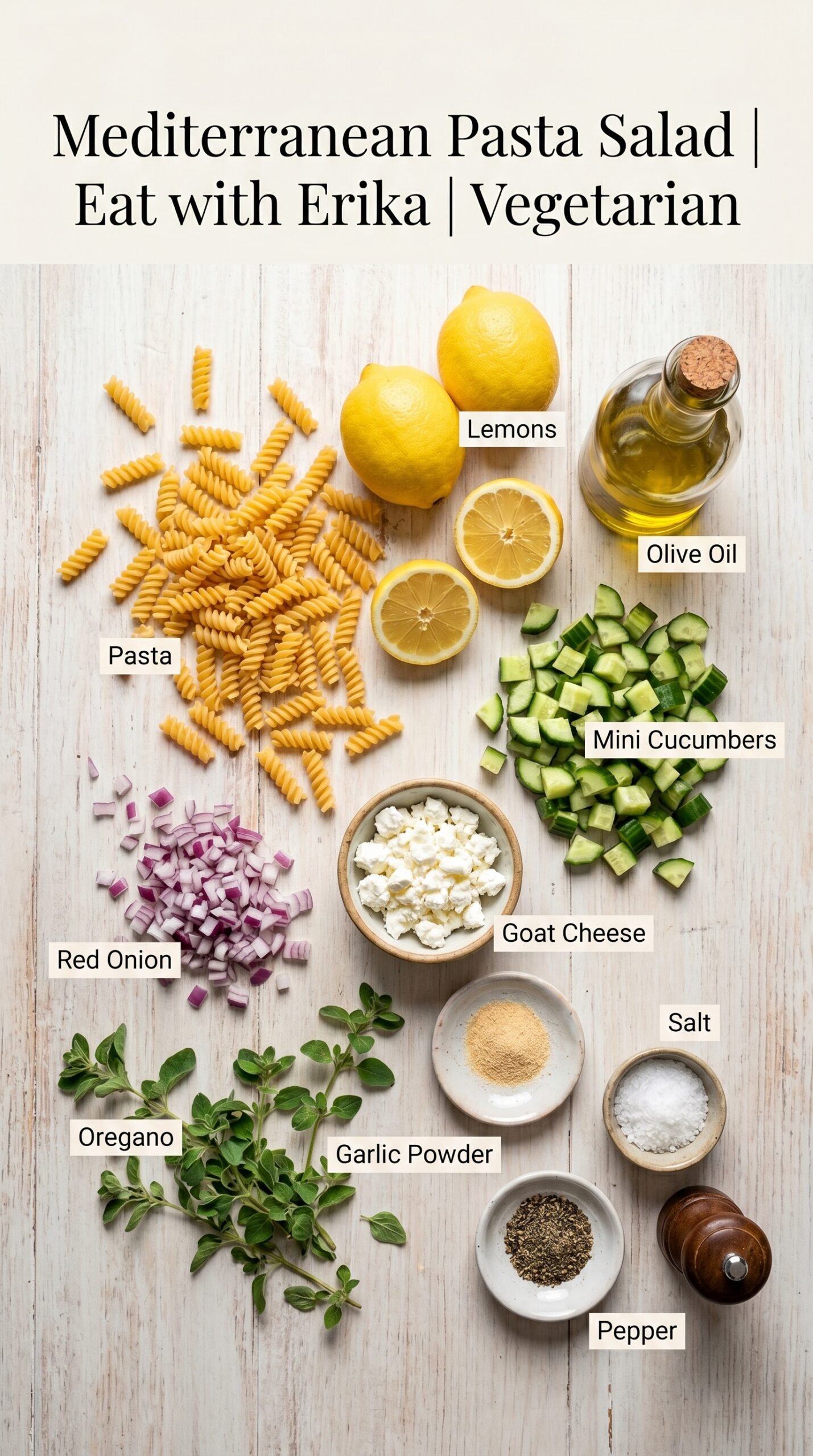
Pasta: A 16-ounce box of pasta gives the salad its structure. Use a shape that catches small bits of onion, cucumber, and cheese. Short shapes usually work better than long noodles because they toss evenly and are easier to serve cold.
Lemons: Fresh lemon juice is the main source of brightness. Start with one lemon if you prefer a softer flavor, then add more if the pasta tastes muted. Bottled lemon juice can taste flat or harsh, so fresh juice gives this salad a cleaner finish.
Olive Oil: Olive oil rounds out the lemon and helps carry the oregano and garlic powder across the pasta. Too much oil makes the salad heavy, so the measured amount matters. A smooth olive oil works better than a very bitter one.
Mini Cucumbers: Mini cucumbers bring the crisp, cooling texture that makes cucumber pasta salad so refreshing. Dice them into small, even pieces so they distribute through the bowl instead of falling to the bottom or dominating single bites.
Red Onion: Red onion adds sharpness and color. Dice it small so the flavor stays lively but not aggressive. If your onion tastes especially strong, let the diced pieces sit in a little cold water for a few minutes, then drain well before using.
Goat Cheese: Goat cheese gives the salad a creamy, tangy contrast against the lemon dressing. Crumble it before adding, then toss gently. If you prefer a cucumber pasta salad with feta, feta can be used as a variation, but it will taste saltier and firmer.
Oregano: Oregano gives the dressing its Mediterranean character. Rub it lightly between your fingers before mixing to release more aroma. If the oregano is very old and dusty-smelling, the salad will taste dull even if the lemon is bright.
Garlic Powder: Garlic powder blends smoothly into the dressing and gives gentle savory depth without the bite of raw garlic. It is especially useful in cold salads because it spreads evenly and does not leave sharp raw garlic pieces behind.
Salt and Pepper: Salt sharpens the lemon and makes the cucumber taste more vivid. Pepper adds a quiet warmth at the end. Add both after tossing so you can season the finished salad accurately.
- Short pasta vs long pasta: Short pasta holds dressing and diced vegetables better, while long pasta can clump when chilled.
- Fresh lemon vs weak acidity: Fresh lemon keeps the salad bright; not enough acidity makes pasta salad taste oily and flat.
- Goat cheese vs feta: Goat cheese is softer and creamier, while feta gives a saltier pasta salad with feta cheese style.
- Gentle folding vs heavy stirring: Gentle folding protects the cheese and cucumber texture; aggressive stirring makes the salad cloudy and soft.
6) How to Make Mediterranean Pasta Salad
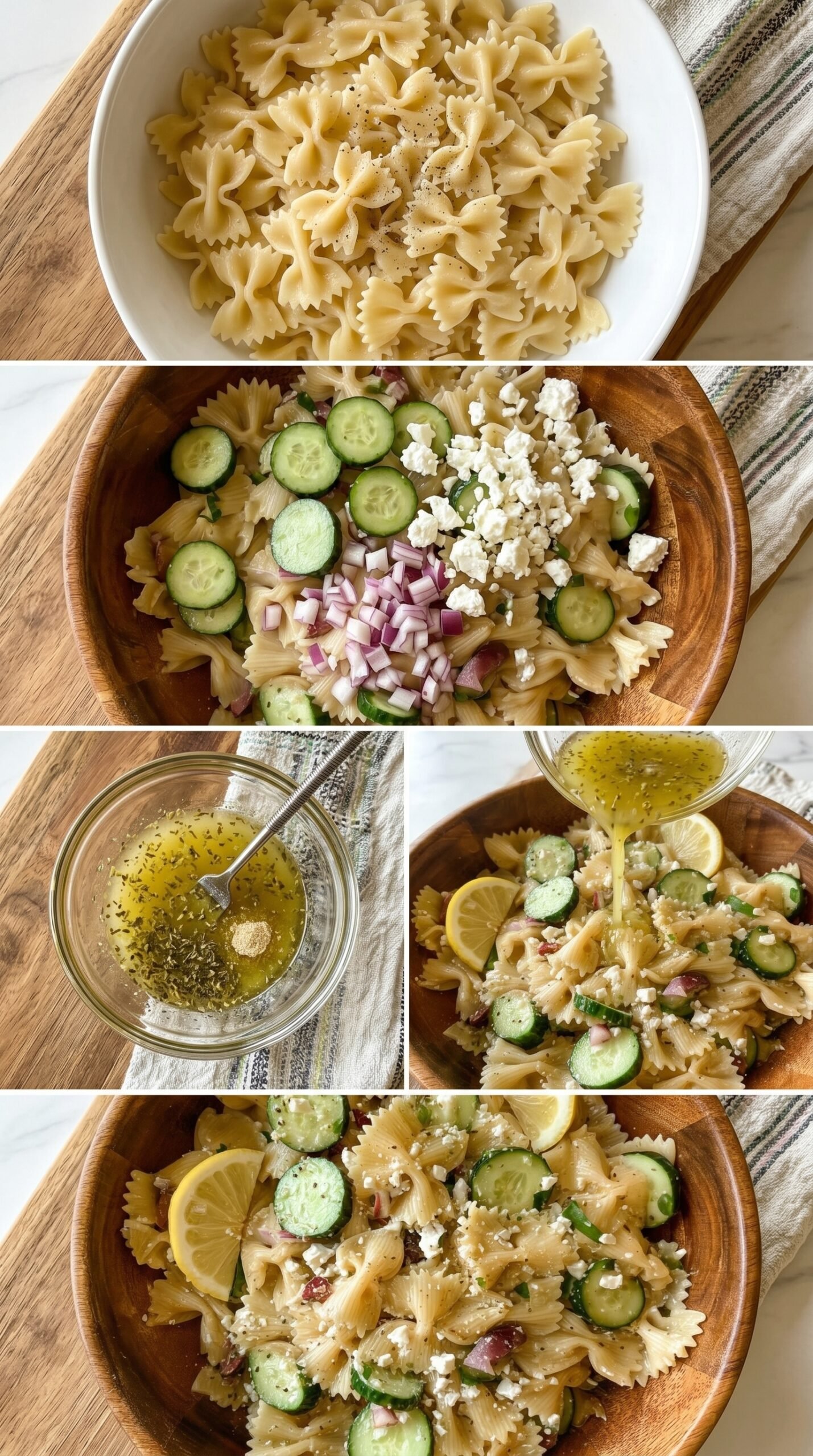
Step 1: Cook the pasta according to the package directions, aiming for al dente rather than soft. Once drained, let it cool fully. If the pasta is still steaming, it is too warm for the cucumbers and cheese.
Step 2: Add the cooled pasta to a large bowl with the diced mini cucumbers, diced red onion, and crumbled goat cheese. Use a bowl with enough room to toss without crushing the cheese.
Step 3: In a separate small bowl, combine the lemon juice, olive oil, oregano, and garlic powder. Mix until the dressing looks glossy and the herbs are evenly suspended.
Step 4: Pour the dressing over the pasta mixture and toss gently. Watch for even coating; the pasta should look lightly dressed, not slick or wet.
Step 5: Taste the salad, then season with salt and pepper. Serve it right away for the brightest texture, or chill it briefly if you prefer a colder summer cucumber pasta salad.
7) Recipe Card: Mediterranean Pasta Salad
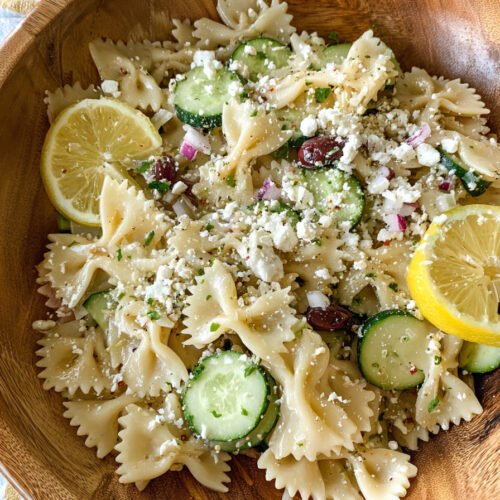
Mediterranean Pasta Salad with Cucumber, Lemon, and Goat Cheese
Ingredients
- 1 16oz box of pasta, shape of choice, cooked just until al dente so the salad does not turn soft
- 1-2 lemons, juiced, using enough juice to make the dressing bright but not harsh
- 1/4 cup olive oil, preferably a smooth extra-virgin olive oil for a rounded dressing
- 1 cup mini cucumbers, diced, kept crisp and evenly cut for fresh texture
- 1 red onion, diced, cut small so the flavor spreads without overpowering the salad
- 1/4 cup goat cheese, crumbled, added gently so it stays creamy rather than disappearing into the dressing
- 1 tbsp oregano, rubbed lightly between your fingers to wake up the aroma
- 1/2 tsp garlic powder, for mellow garlic flavor that blends smoothly into the dressing
- salt & pepper to taste, added at the end after the pasta absorbs the lemon dressing
Instructions
- Cook the pasta according to the package directions until al dente, then drain well and let it cool completely; spreading it on a tray helps steam escape so the salad does not become watery.
- In a large bowl, combine the cooled pasta, diced mini cucumber, diced red onion, and crumbled goat cheese, folding gently so the cheese stays in small creamy pockets.
- In a separate small bowl, whisk together the lemon juice, olive oil, oregano, and garlic powder until the dressing looks slightly glossy and evenly blended.
- Pour the dressing over the pasta salad mixture and toss until every piece of pasta is lightly coated; taste and adjust with salt and pepper after the dressing has touched the pasta.
- Serve and enjoy right away, or chill briefly before serving for a cooler, brighter salad with crisp cucumber and tangy cheese in every bite.
8) Tips for Making Mediterranean Pasta Salad
Let the pasta cool in a shallow layer if you have the space. A deep pile traps heat, which creates steam and moisture. That extra moisture is one of the fastest ways to make a cold pasta salad taste watered down.
Cut the cucumber and onion smaller than you think. Big cucumber chunks taste refreshing for one bite, then leave the rest of the forkful plain. Smaller pieces make the salad taste complete because every bite gets crunch, acidity, and a little sharpness.
Do not drown the pasta in dressing at the beginning. Lemon and olive oil should coat the pasta, not sit underneath it. If the salad tastes dry after chilling, refresh it with a small splash of olive oil and a squeeze of lemon rather than making the first mix too wet.
Fold in the goat cheese with a light hand. Some of it will naturally soften and cling to the pasta, which is good. What you want to avoid is stirring so hard that the cheese disappears completely and the salad loses those creamy little bites.
9) Common Mistakes & Fixes
Problem: The salad tastes watery. Cause: The pasta was mixed while warm, or the cucumbers released moisture during a long rest. Fix: Cool the pasta fully, dice cucumbers evenly, and refresh with lemon and seasoning before serving.
Problem: The dressing tastes oily. Cause: The lemon and olive oil were not balanced, or the salad needed more salt. Fix: Add a small squeeze of lemon and a pinch of salt, then toss and taste again before adding more oil.
Problem: The onion takes over. Cause: The red onion pieces are too large or especially sharp. Fix: Dice the onion finely, or soak it briefly in cold water and drain it well before adding it to the bowl.
Problem: The goat cheese disappears. Cause: The pasta was warm or the salad was stirred too aggressively. Fix: Cool the pasta completely and fold gently after adding the dressing.
Problem: The pasta tastes bland even with dressing. Cause: Cold pasta needs enough seasoning after tossing. Fix: Taste the finished salad and adjust with salt, pepper, and lemon once the ingredients are combined.
10) How to Tell Mediterranean Pasta Salad Has the Right Texture
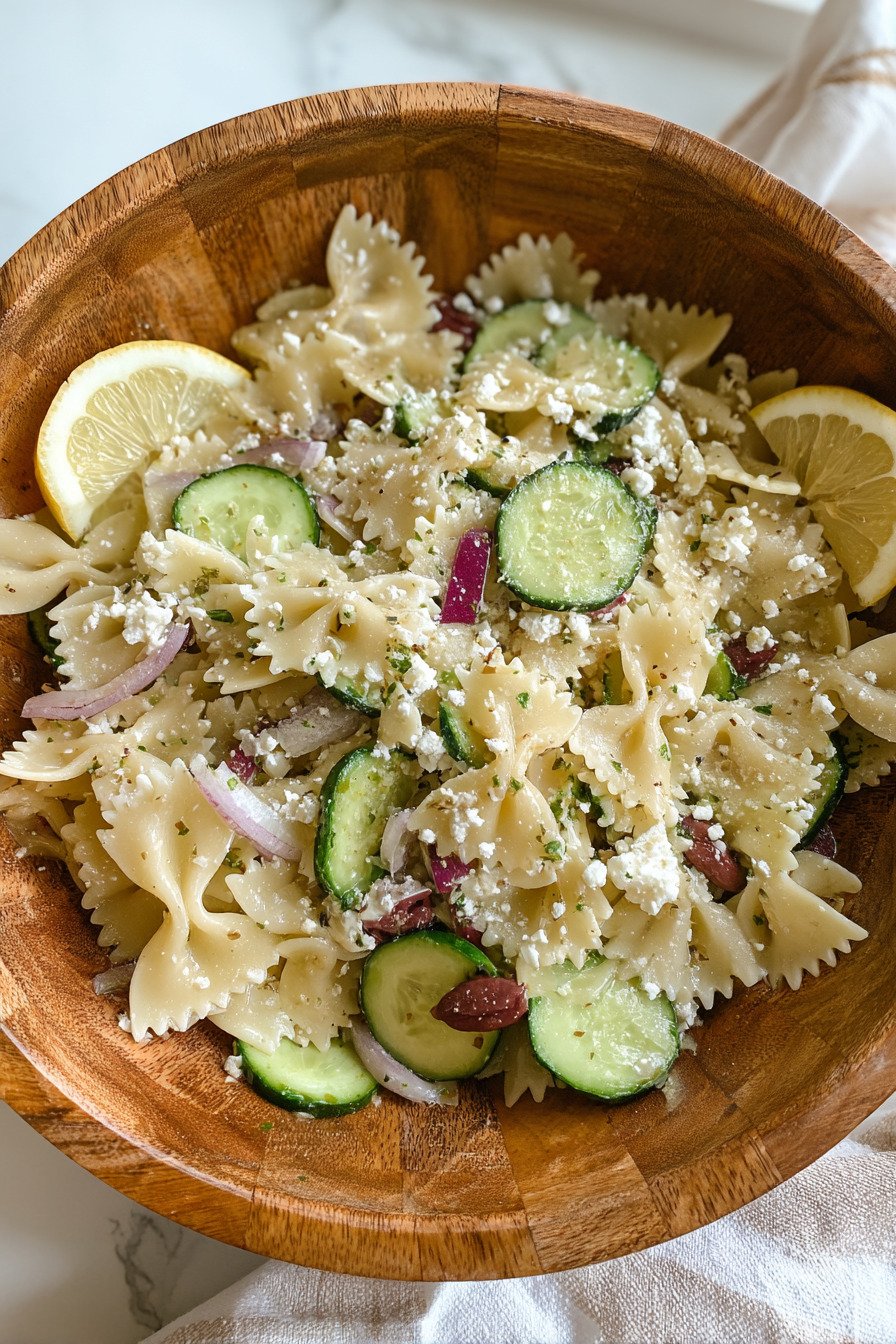
The pasta should be tender but still hold its shape when tossed. If it breaks apart or feels mushy, it was cooked too long or mixed too roughly. The cucumbers should feel crisp and cool, not limp or watery. The red onion should add a small snap without overwhelming the bowl.
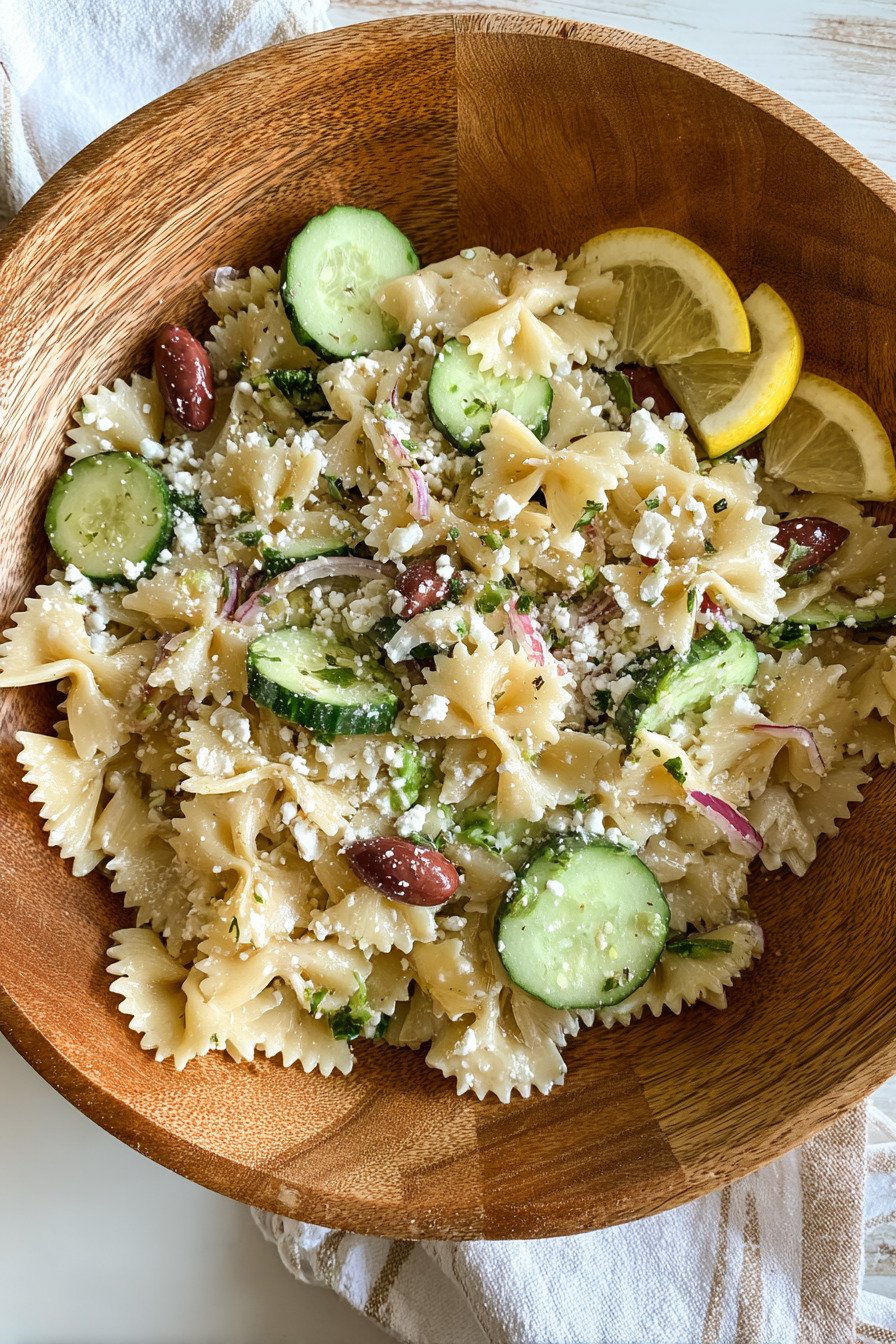
Visually, the salad should look lightly glossy from the lemon-olive oil dressing. It should not have a puddle of dressing at the bottom. The goat cheese should appear in small creamy crumbles, with just enough softening to cling to some pasta pieces. The aroma should be fresh lemon first, then oregano, then a gentle savory note from garlic powder.
The flavor should land in layers: bright, herbal, creamy, crisp, and lightly peppery. If it tastes flat, it likely needs salt or lemon. If it tastes harsh, the lemon may need more olive oil to soften it. If it tastes heavy, too much dressing may have been added or the pasta may not have cooled properly.
11) Professional Secrets Behind Better Mediterranean Pasta Salad
The biggest professional habit is tasting in stages. Taste the dressing before it goes on the pasta, then taste again after tossing. Pasta absorbs seasoning quickly, especially when it is still slightly porous from cooking, so the final seasoning matters more than the first impression.
Another useful technique is controlling contrast. Cold pasta can feel dull without enough acidity, and raw vegetables can feel too sharp without enough fat. Lemon, olive oil, cucumber, onion, and cheese all have different jobs. When they are balanced, the salad tastes intentional instead of thrown together.
For a cleaner finish, avoid over-chilling the salad for hours after dressing. Cold temperatures can mute lemon and herb flavor. If the salad has been refrigerated, let it sit at room temperature for a short time before serving, then toss and taste again.
12) Best Dishes or Pairings to Serve With Mediterranean Pasta Salad
This Mediterranean Pasta Salad works well with grilled vegetables, roasted chicken, simple fish, veggie wraps, or chickpea patties. The lemon dressing cuts through richer foods, while the cucumber keeps the plate feeling cool and fresh.
For a vegetarian meal, serve it with warm pita, hummus, marinated olives, roasted zucchini, or a tomato salad. For lunch prep, pair it with hard-boiled eggs, white beans, or a simple green salad. If you are serving it at a picnic, keep it chilled until close to serving so the cucumber keeps its snap.
13) Making Mediterranean Pasta Salad Ahead of Time
You can make this salad ahead, but the best strategy depends on how long it needs to sit. For a few hours, mix everything and refrigerate it covered. Before serving, toss gently and refresh with a little lemon if the flavor has softened.
For next-day prep, cook and cool the pasta, dice the vegetables, and mix the dressing separately. Store them in separate containers, then combine closer to serving. This keeps the cucumbers crisp and prevents the goat cheese from softening too much. It is the easiest way to keep a summer cucumber pasta salad tasting freshly made.
14) Storing Leftover Mediterranean Pasta Salad
Store leftovers in an airtight container in the refrigerator for up to 3 days. The texture is best within the first 24 hours because cucumbers continue releasing moisture as they sit. If the salad looks a little dry after chilling, add a small splash of olive oil and a squeeze of lemon, then toss gently.
Freezing is not recommended for this recipe. Pasta becomes softer after thawing, cucumbers lose their crisp texture, and the cheese can turn grainy. Leftovers are better used cold as a quick lunch, tucked beside greens, or served with extra fresh cucumber to bring back crunch.
15) FAQ (Real Cooking Questions)
Can I use feta instead of goat cheese? Yes, feta works if you want a cucumber pasta salad with feta flavor. It will be saltier and firmer than goat cheese, so taste before adding extra salt.
What pasta shape works best? Short shapes are easiest because they hold dressing and mix evenly with diced cucumber and onion. Rotini, penne, shells, or bow ties all work better than long strands for this style of salad.
Can I make this lemon cucumber pasta salad the night before? Yes, but for the best crunch, store the dressing separately and combine it closer to serving. If it is already mixed, refresh it with lemon and pepper before serving.
Why does my pasta salad taste bland after chilling? Cold food often tastes less seasoned. Pasta also absorbs dressing as it rests. Toss the salad again, then add a little salt, pepper, and lemon until the flavor tastes bright.
Can I add more vegetables? Yes, but keep the original balance in mind. Tomatoes, bell peppers, or olives can work as optional additions, but too many watery vegetables can thin the dressing and soften the salad.
16) Save This Mediterranean Pasta Salad Recipe
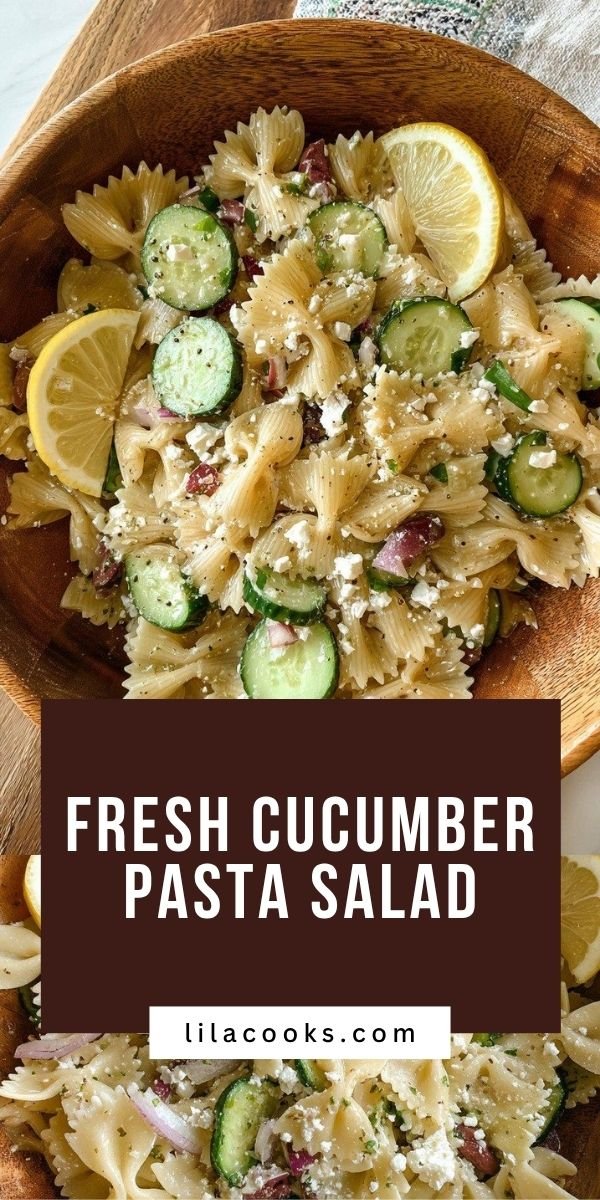
If this Mediterranean Pasta Salad helped you solve the soggy, bland pasta salad problem, save it for summer lunches, potlucks, and simple make-ahead meals. The key reminder is: cool the pasta first, then dress it for crisp texture and bright lemon flavor.
17) Conclusion
Good pasta salad is not about adding more ingredients; it is about controlling the small details that affect texture and flavor. Cool pasta protects the cucumber. A balanced lemon dressing keeps the salad bright. Gentle tossing keeps the goat cheese creamy instead of smeared. Final seasoning wakes up the whole bowl.
Once those pieces click, Mediterranean Pasta Salad becomes the kind of recipe you can make with confidence instead of guessing. You know what to look for, what to avoid, and how to fix the flavor before it reaches the table. That is the difference between a salad that simply fills a bowl and one that actually tastes fresh, crisp, and worth serving again.
18) Nutrition
Serving Size 1 portion Calories 392 Sugar 3 g Sodium 210 mg Fat 13 g Saturated Fat 3 g Carbohydrates 58 g Fiber 3 g Protein 11 g Cholesterol 6 mg

Leave a Comment