
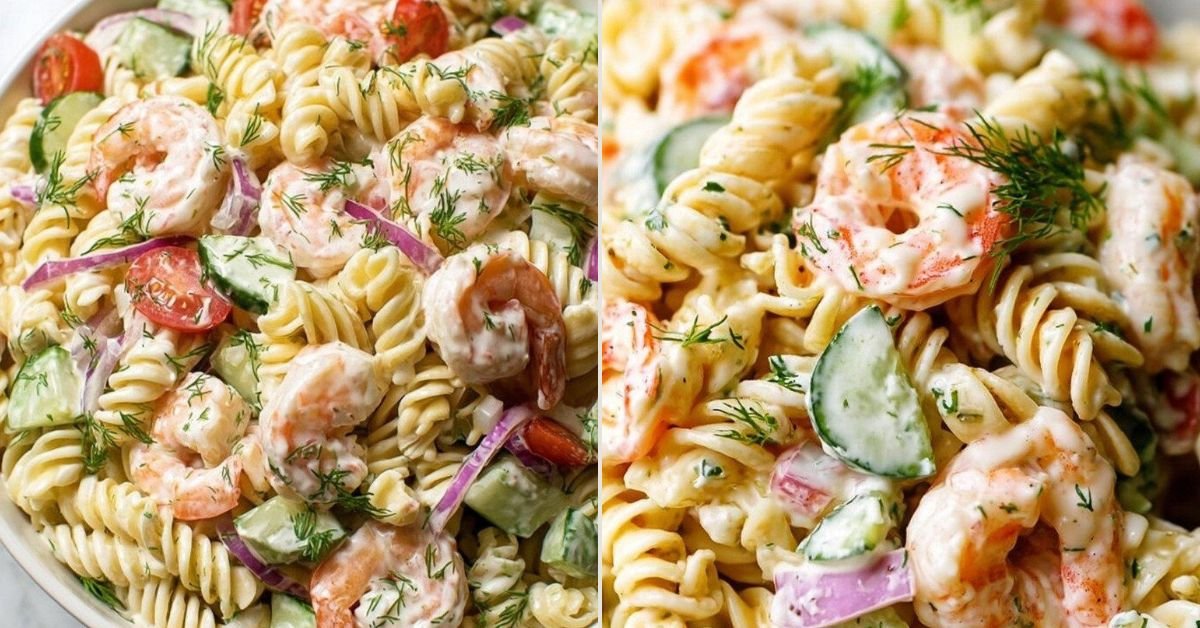
1) What I Learned Testing This Cold Shrimp Pasta Salad Recipe
Watery pasta salad is the kind of kitchen disappointment that looks fine in the bowl but tastes flat on the plate. I’m Lila, and my first cold shrimp pasta salad leaned too heavy, then turned loose after chilling, so I tested the dressing ratio, pasta texture, and shrimp prep until the salad stayed creamy, bright, and crisp. The discovery was simple: dry shrimp, fully cooled pasta, lemon, and careful seasoning make the difference. This shrimp pasta salad now feels like my calm summer backup plan for family lunches, cookouts, and the kind of cold pasta salad recipes people actually want seconds of.
Table of Contents
- 1) What I Learned Testing This Cold Shrimp Pasta Salad Recipe
- 2) Key Takeaways
- 3) Easy Cold Shrimp Pasta Salad Recipe
- 4) Why Most Cold Shrimp Pasta Salad Recipes Fail
- 5) Ingredients for Cold Shrimp Pasta Salad Recipe
- 6) How to Make Cold Shrimp Pasta Salad Recipe
- 7) Recipe Card: Cold Shrimp Pasta Salad Recipe
- 8) Tips for Making Cold Shrimp Pasta Salad Recipe
- 9) Common Mistakes & Fixes
- 10) How to Tell Cold Shrimp Pasta Salad Has the Right Texture
- 11) Professional Secrets Behind Better Cold Shrimp Pasta Salad
- 12) Best Dishes or Pairings to Serve With Cold Shrimp Pasta Salad
- 13) Making Cold Shrimp Pasta Salad Ahead of Time
- 14) Storing Leftover Cold Shrimp Pasta Salad
- 15) FAQ (Real Cooking Questions)
- 16) Save This Cold Shrimp Pasta Salad Recipe
- 17) Conclusion
- 18) Nutrition
2) Key Takeaways
- Cool the pasta completely: Warm pasta absorbs dressing unevenly and can make the salad feel sticky instead of creamy.
- Dry the shrimp before mixing: Moisture on cooked shrimp thins the dressing and makes the salad taste less seasoned.
- Balance richness with acidity: Mayonnaise and sour cream need lemon juice, lemon zest, Dijon, herbs, and Old Bay to stay bright.
- Season after chilling: Cold pasta absorbs flavor, so a final taste before serving keeps the salad lively instead of flat.
3) Easy Cold Shrimp Pasta Salad Recipe
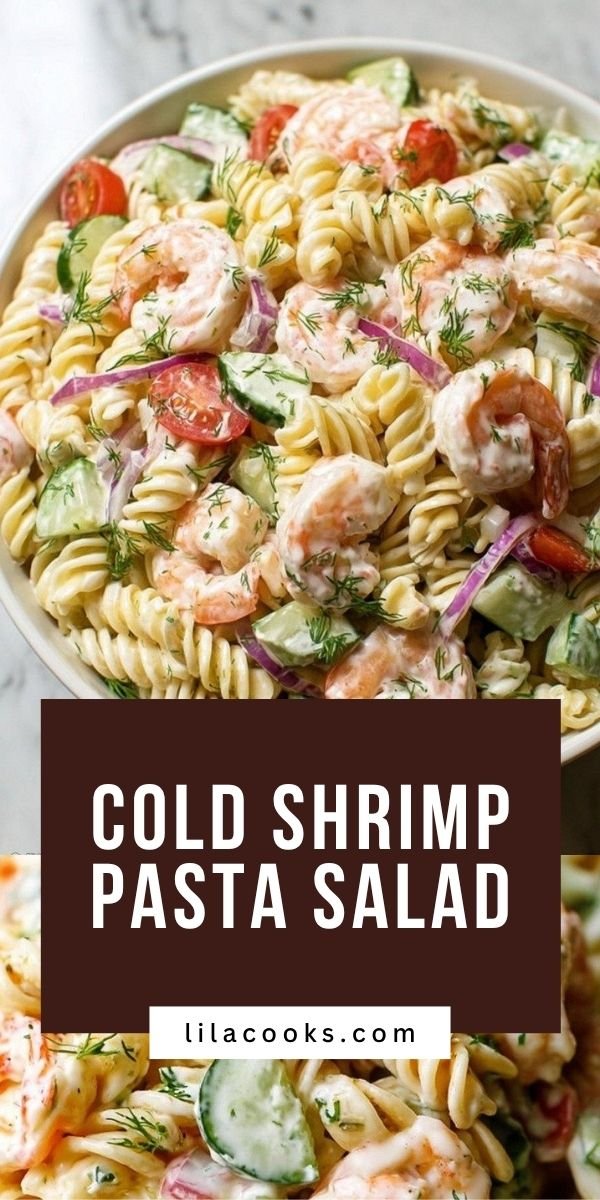
This easy cold pasta salad works because it treats every texture separately before everything meets in the bowl. The pasta is cooked just to al dente, then rinsed cold so it stops softening. The shrimp is patted dry so the dressing stays creamy rather than watery. The vegetables are cut small enough to distribute through each forkful, but not so small that they disappear.
The flavor goal is creamy, lemony, lightly savory, and fresh. Mayonnaise gives body, sour cream adds tang, Dijon sharpens the dressing, and Old Bay gives the shrimp pasta salad that familiar seafood-seasoned backbone. Dill and parsley matter here because chilled salads need fresh aromatic notes. Without herbs and acidity, a cold creamy pasta salad can taste heavy after only a few bites.
What makes this method reliable is the order. First, cool and drain the pasta. Second, dry and size the shrimp. Third, whisk the dressing until smooth before adding the heavier ingredients. That order helps the dressing cling to the pasta instead of breaking, pooling, or tasting diluted.
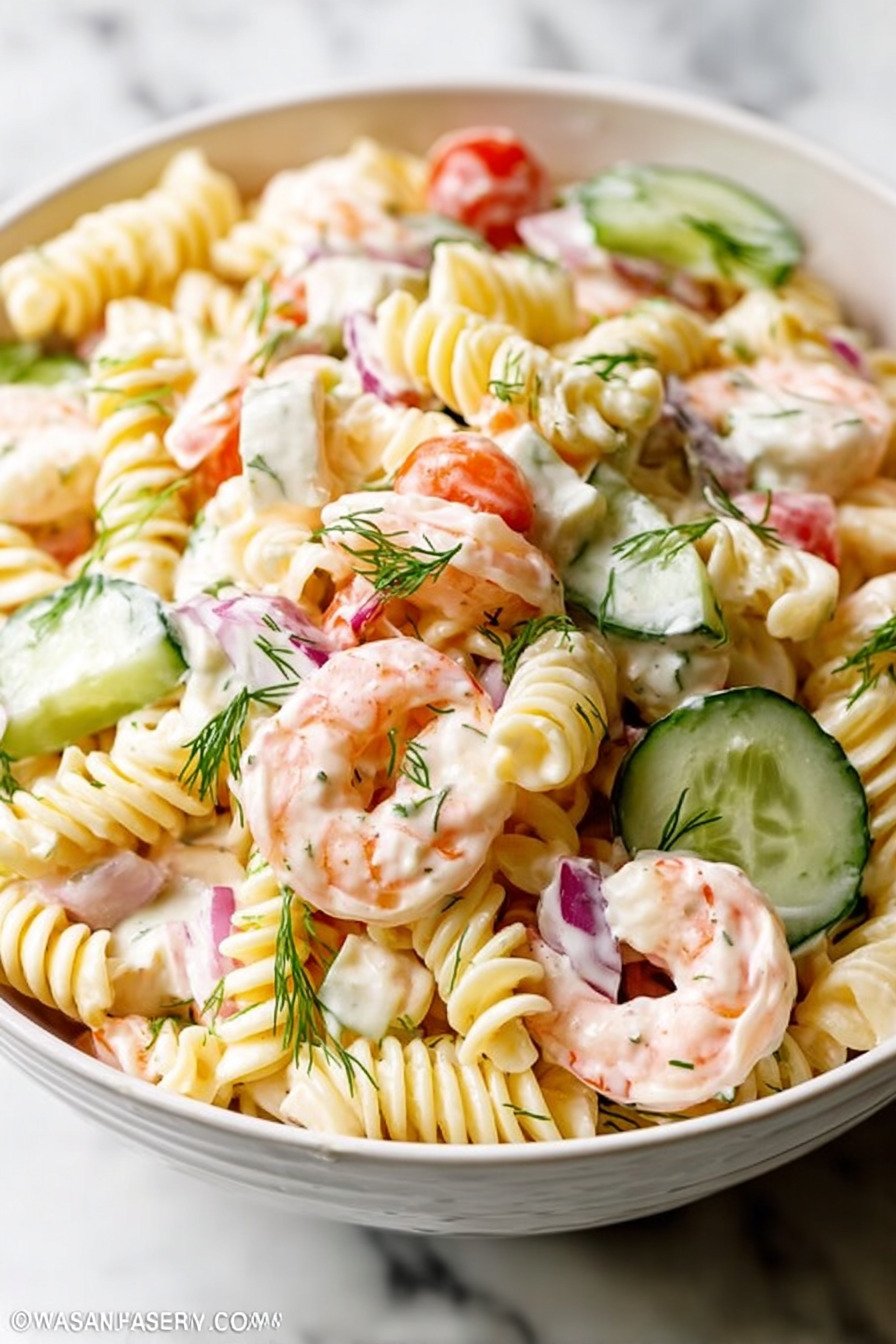
4) Why Most Cold Shrimp Pasta Salad Recipes Fail
Most cold shrimp pasta salad problems come from moisture, temperature, and seasoning. The first failure is watery dressing. This usually happens when pasta is not drained well after rinsing or when cooked shrimp goes into the bowl wet. Water dulls salt, weakens lemon, and loosens the creamy coating. The fix is simple but important: shake the pasta well in the colander and blot the shrimp dry before mixing.
The second failure is soft, mushy pasta. Pasta keeps absorbing dressing as it rests, so it needs to start firm. Al dente pasta holds its shape, keeps a pleasant chew, and prevents the salad from turning heavy. If the pasta is already soft before chilling, it will only get softer in the refrigerator.
The third failure is harsh onion or garlic flavor. Red onion should be finely diced so it gives sharpness in small bites, not big aggressive bursts. Garlic should be minced very finely and whisked into the dressing so it disperses evenly. The lemon, sour cream, and Dijon help soften that raw edge.
The fourth failure is flat flavor after chilling. Cold food needs more precise seasoning than warm food because cold temperatures mute aroma and salt perception. That is why this salad should be tasted after it rests. A small squeeze of lemon, a pinch of salt, or a little more Old Bay can wake it back up.
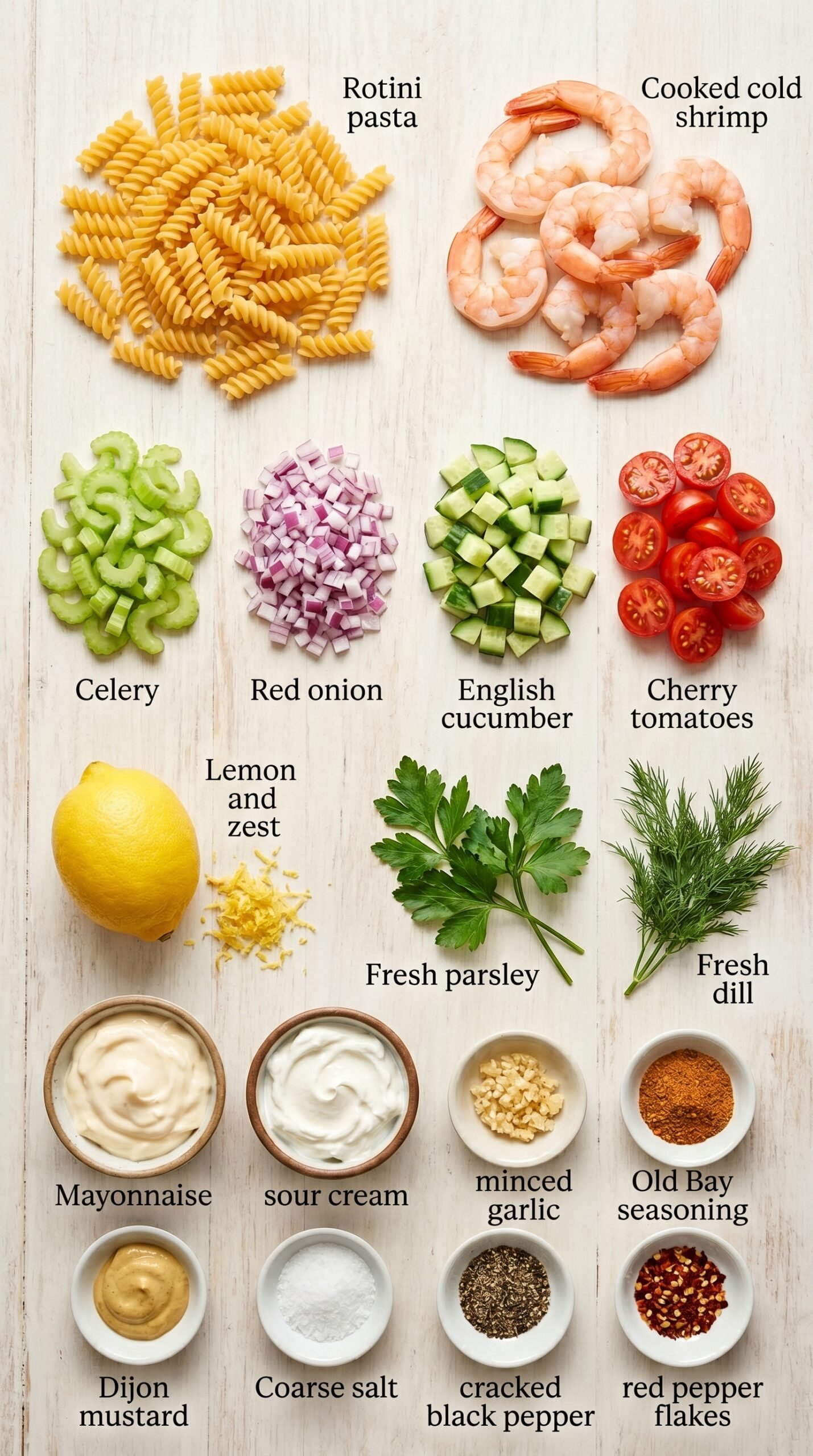
5) Ingredients for Cold Shrimp Pasta Salad Recipe
Rotini or penne pasta: These shapes hold creamy dressing well and stay sturdy after chilling. Use them when you want pasta that catches herbs, seasoning, and small vegetable pieces. If replaced with a very delicate pasta shape, the salad may break down faster.
Cooked cold shrimp: Shrimp gives the salad its main protein and sweet seafood flavor. Use peeled and deveined shrimp, and cut large shrimp in half so each bite feels balanced. If the shrimp is wet, the dressing will thin out; if it is overcooked, the texture can feel rubbery.
Mayonnaise: Mayonnaise creates the creamy base that coats the pasta. It works best when whisked with acidic ingredients before the pasta is added. Replacing too much of it can make the dressing thinner and less clingy.
Sour cream: Sour cream lightens the mayonnaise and adds tang. It keeps the salad from tasting overly rich. If swapped completely with a thinner dairy product, the dressing may not hold as well.
Fresh lemon juice and lemon zest: Lemon juice brightens the creamy dressing, while zest adds citrus aroma without extra liquid. Use both when the salad needs freshness. Bottled lemon juice will not give the same clean fragrance.
Celery, red onion, cucumber, and cherry tomatoes: These vegetables bring crunch, sharpness, coolness, and juicy sweetness. Add them after the pasta is coated so they stay distinct. Cutting them evenly helps every serving taste balanced.
Garlic, Dijon mustard, and Old Bay seasoning: Garlic adds savory depth, Dijon gives gentle sharpness, and Old Bay ties the dressing to the shrimp. Use them in the dressing so the flavor spreads evenly before the salad is folded together.
Dill, parsley, salt, black pepper, and red pepper flakes: Herbs keep the salad fresh, salt defines the flavor, pepper adds warmth, and red pepper flakes bring optional heat. Add these near the end and taste again after chilling.
- Rotini vs penne: Rotini catches more dressing in its curves, while penne gives cleaner, firmer bites.
- Fresh lemon vs extra dressing: Lemon lifts the salad without making it heavier; extra dressing can make it dense.
- Dry shrimp vs wet shrimp: Dry shrimp keeps the salad creamy; wet shrimp causes pooling and weak flavor.
- Small vegetable cuts vs large chunks: Smaller cuts distribute crunch and flavor more evenly through the pasta.
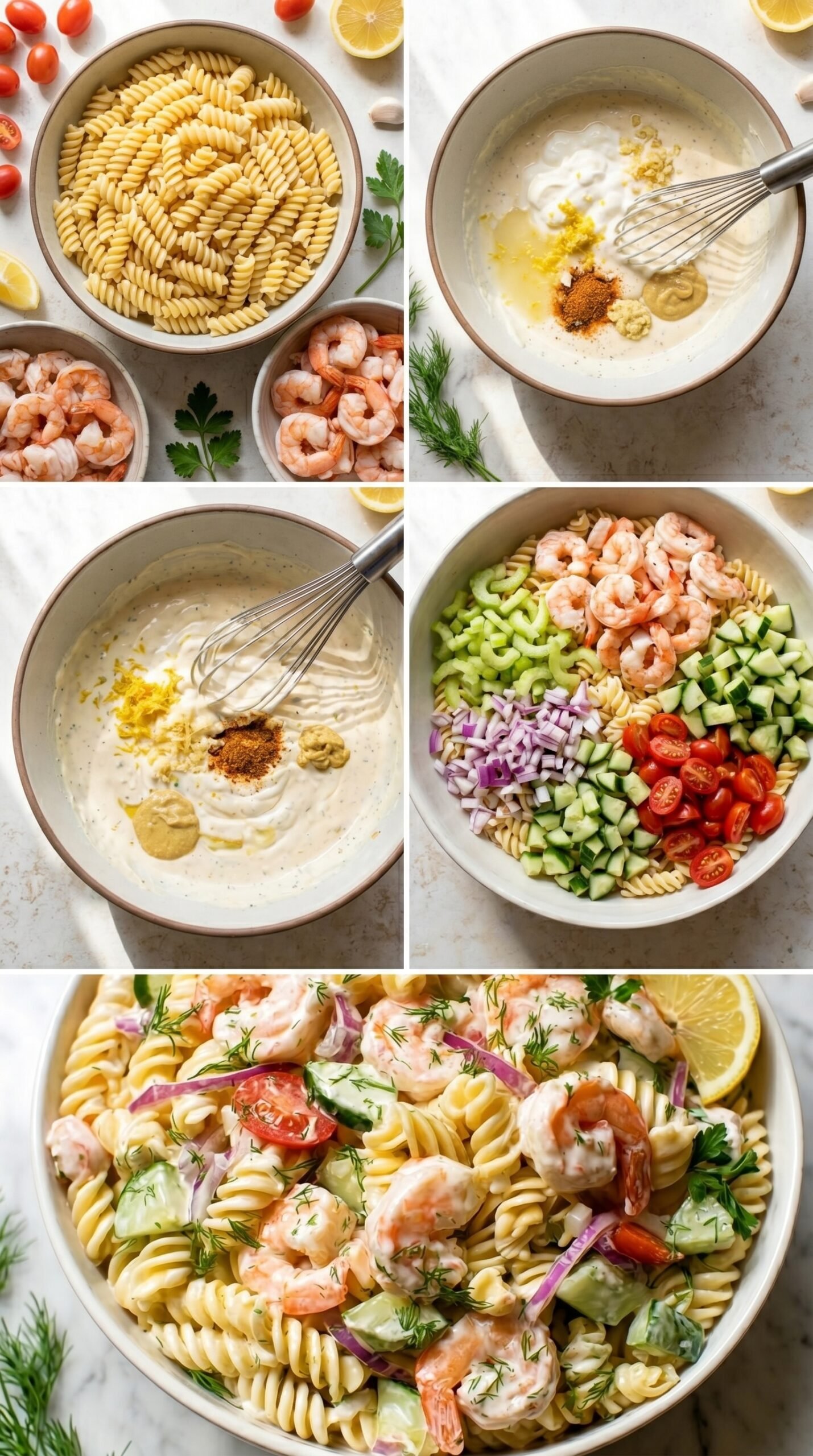
6) How to Make Cold Shrimp Pasta Salad Recipe
Step 1: Cook the pasta in well-salted boiling water until al dente. The pasta should be tender but still have a little firmness in the center. Drain it, rinse under cold water to stop the cooking, and shake away as much water as possible.
Step 2: Prepare the shrimp. If the shrimp are large, cut them in half crosswise so they mix evenly through the salad. Pat them dry with paper towels. If using raw shrimp, cook them briefly in salted water with lemon until pink and opaque, then cool them fully before mixing.
Step 3: Whisk the dressing in a large bowl. Combine mayonnaise, sour cream, lemon juice, lemon zest, garlic, Dijon mustard, and Old Bay until smooth. The dressing should look creamy and cohesive, not streaky.
Step 4: Toss the cooled pasta in the dressing first. This coats each piece before the shrimp and vegetables are added. Fold in the shrimp, celery, red onion, cucumber, and cherry tomatoes gently so the tomatoes stay intact and the shrimp does not break apart.
Step 5: Add dill, parsley, salt, black pepper, and optional red pepper flakes. Taste the salad, then chill it for at least 30 minutes. Stir again before serving and adjust with lemon juice, salt, or Old Bay if the flavor needs more brightness.
7) Recipe Card: Cold Shrimp Pasta Salad Recipe
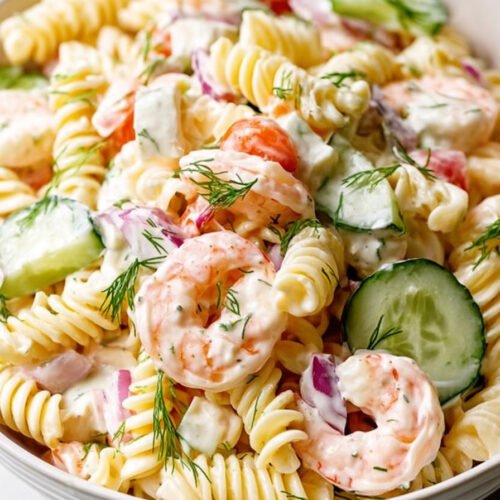
Cold Shrimp Pasta Salad Recipe
Ingredients
- 12 ounces rotini or penne pasta, cooked until al dente so it holds its shape after chilling
- 1 pound cooked cold shrimp, peeled and deveined, patted dry to prevent a watery dressing
- ½ cup mayonnaise, for a creamy base that coats the pasta evenly
- ⅓ cup sour cream, for tang and a lighter texture in the dressing
- 2 tablespoons fresh lemon juice, to brighten the seafood flavor
- 1 teaspoon lemon zest, for fresh citrus aroma without adding extra liquid
- 2 celery stalks, thinly sliced, for crisp texture
- ½ red onion, finely diced, for sharpness in small balanced bites
- 1 English cucumber, diced, for cool crunch
- 1 cup cherry tomatoes, halved, for juicy sweetness and color
- 2 cloves garlic, minced, for savory depth in the dressing
- 1 teaspoon Old Bay seasoning, for classic seafood-style flavor
- ½ teaspoon dried dill (or 1 tablespoon fresh), for a light herby finish
- ⅓ cup fresh parsley, chopped, for freshness and color
- 1 teaspoon Dijon mustard, to help the dressing taste balanced and slightly sharp
- Salt and black pepper to taste, added gradually after chilling if needed
- ¼ teaspoon red pepper flakes (optional), for gentle heat
Instructions
- Bring a large pot of salted water to a boil. Cook the rotini or penne according to the package directions until al dente, then drain and rinse under cold water until completely cool. Shake off excess water well so the dressing does not become thin.
- If the shrimp are large, cut them in half crosswise for easier bites. Pat the cooked cold shrimp dry with paper towels and set aside. If starting with raw shrimp, boil them in salted water with a splash of lemon juice for 2–3 minutes, just until pink and opaque, then drain and chill before using.
- In a large bowl, whisk together the mayonnaise, sour cream, fresh lemon juice, lemon zest, minced garlic, Dijon mustard, and Old Bay seasoning until the dressing looks smooth, creamy, and evenly seasoned.
- Add the cooled pasta to the dressing and toss until every piece is lightly coated. Gently fold in the shrimp, celery, red onion, cucumber, and cherry tomatoes, taking care not to crush the tomatoes or break up the shrimp.
- Sprinkle in the dill, fresh parsley, salt, black pepper, and red pepper flakes if using. Taste carefully and adjust with more lemon juice for brightness, more Old Bay for seafood flavor, or a little extra salt if the salad tastes flat after mixing.
- Cover and refrigerate for at least 30 minutes so the flavors can blend and the dressing can cling to the pasta. Stir before serving, then garnish with extra parsley and a lemon wedge if desired.
8) Tips for Making Cold Shrimp Pasta Salad Recipe
The most important tip is to manage water. Rinsing pasta is useful for cold pasta salad recipes because it stops cooking and removes surface starch, but the pasta must be drained thoroughly afterward. Let it sit in the colander for a minute, then shake it well. If water clings inside the pasta, it will weaken the dressing.
Drying the shrimp is just as important. Cooked shrimp often holds moisture from packaging or chilling. A quick blot with paper towels makes the dressing cling instead of sliding off. This small step also keeps the salad from tasting diluted the next day.
For the dressing, whisk until completely smooth before adding pasta. Dijon helps the creamy ingredients taste more balanced, but it needs to be distributed evenly. If you see streaks of mayonnaise or sour cream, keep whisking. A smooth dressing coats better and seasons the salad more evenly.
For a healthy pasta salad angle, keep the original creamy base but increase the vegetables slightly when serving, or use a modest amount of Greek yogurt in place of part of the sour cream. Do not remove all the richness unless you are prepared for a tangier, thinner dressing.
9) Common Mistakes & Fixes
Problem: The salad turns watery. Cause: The pasta or shrimp carried too much moisture into the bowl. Fix: Drain the pasta very well, pat the shrimp dry, and avoid adding extra lemon juice until after the salad has chilled and been tasted.
Problem: The pasta tastes dull after chilling. Cause: Cold temperatures mute seasoning, and pasta absorbs salt and acid as it rests. Fix: Taste before serving and adjust with salt, pepper, lemon juice, parsley, or a small pinch of Old Bay.
Problem: The shrimp feels tough. Cause: Raw shrimp was boiled too long or reheated unnecessarily. Fix: Cook raw shrimp only until pink and opaque, then cool it quickly. If using cooked shrimp, do not cook it again.
Problem: The onion tastes too sharp. Cause: The pieces are too large or uneven. Fix: Dice the red onion finely so it seasons the salad in small bites. For a milder taste, rinse the diced onion briefly under cold water and drain well.
Problem: The dressing feels heavy. Cause: The creamy base needs enough acid, herbs, and crunchy ingredients for balance. Fix: Add lemon zest, parsley, cucumber, and a small squeeze of lemon instead of simply adding more dressing.
10) How to Tell Cold Shrimp Pasta Salad Has the Right Texture
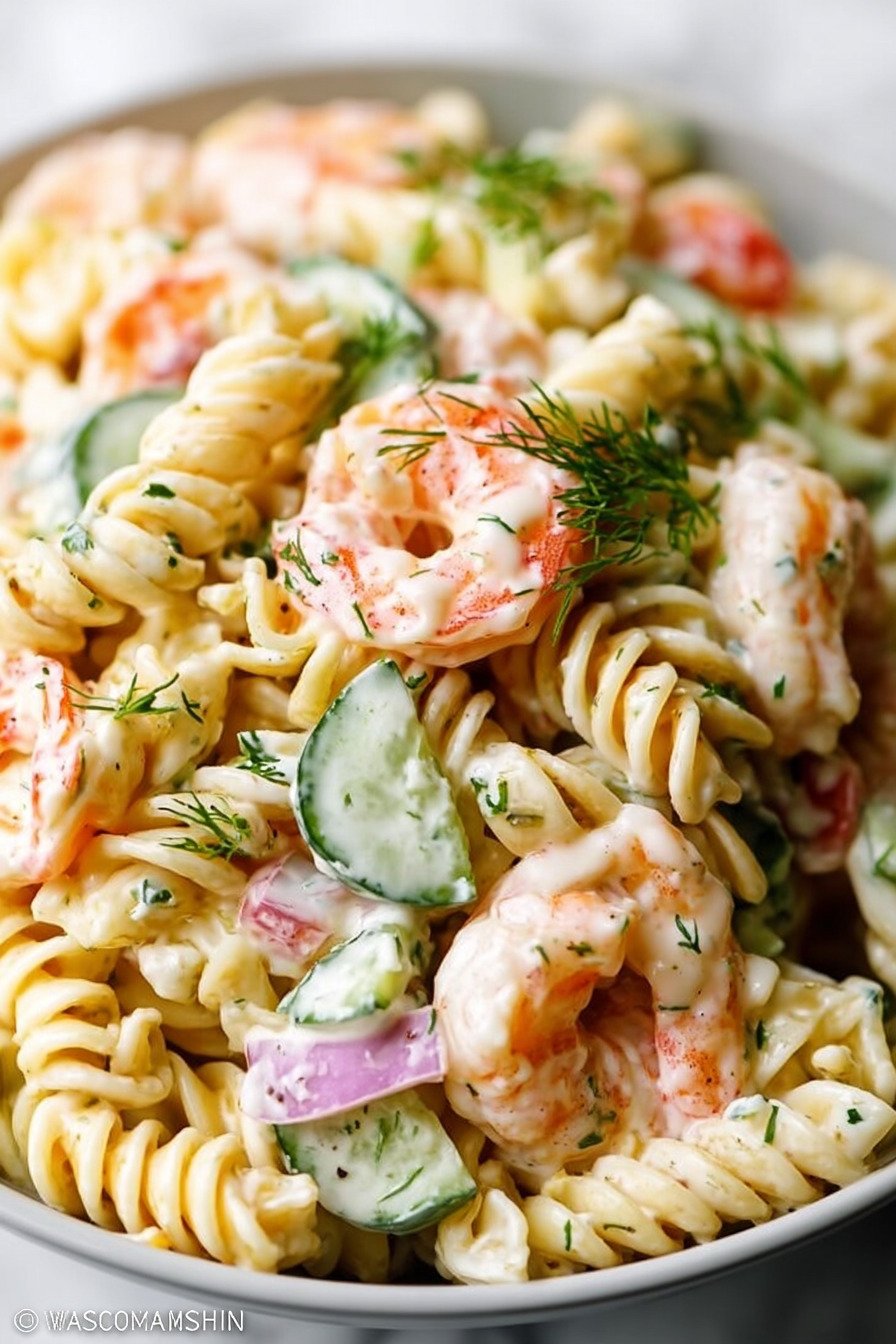
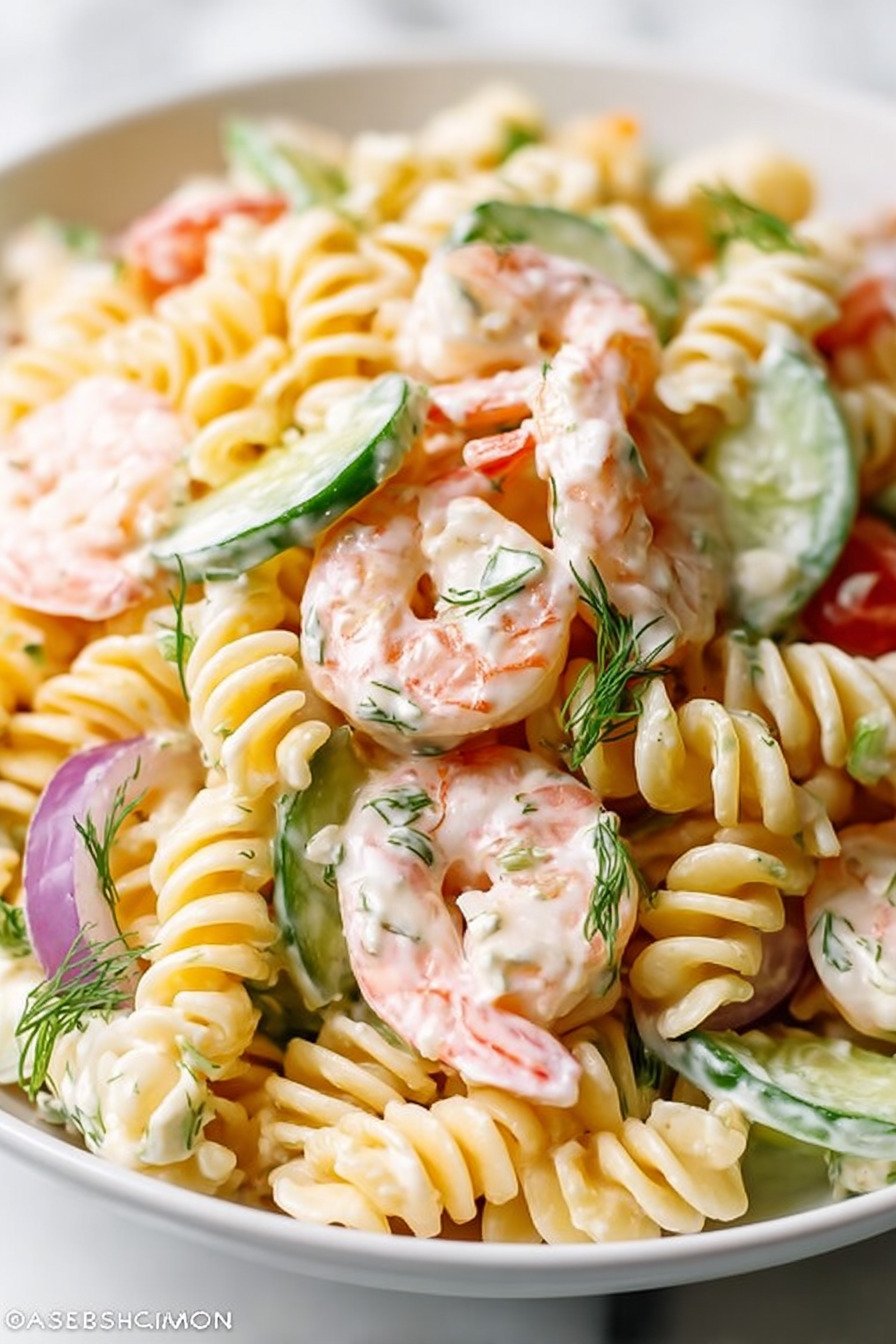
Cold shrimp pasta salad has the right texture when the pasta looks lightly coated, not buried under dressing. The rotini or penne should hold its shape, feel tender but not mushy, and separate easily when stirred. If the pasta clumps tightly, it may need a gentle stir and a small spoonful of dressing or sour cream to loosen.
The shrimp should look plump and opaque, with a clean bite rather than a rubbery chew. The celery and cucumber should still crunch, while the cherry tomatoes should stay juicy without collapsing into the bowl. The dressing should cling to the ingredients without watery pooling at the bottom.
The aroma should be fresh and savory: lemon first, then herbs, then seafood seasoning. The flavor should taste creamy but bright. Failure signs include watery liquid around the edges, mushy pasta, tough shrimp, harsh onion, or a flat finish that needs salt and lemon.
11) Professional Secrets Behind Better Cold Shrimp Pasta Salad
A professional kitchen treats chilled salads as seasoning puzzles. Food served cold needs sharper contrast because aromas are less active at refrigerator temperature. That is why lemon zest matters as much as lemon juice: zest gives fragrance without loosening the dressing.
Another useful secret is to dress the pasta before adding the delicate ingredients. Pasta needs direct contact with the dressing so it absorbs flavor evenly. Shrimp, tomatoes, cucumber, and herbs should be folded in after that, because too much stirring bruises the vegetables and can break the shrimp.
The final secret is resting time. Thirty minutes in the refrigerator is not just for chilling; it lets the Old Bay, garlic, Dijon, lemon, and herbs settle into the creamy base. The salad should always be stirred and tasted after resting because that is when the final seasoning decision becomes clear.
12) Best Dishes or Pairings to Serve With Cold Shrimp Pasta Salad
Cold shrimp pasta salad fits naturally with summer meals because it brings protein, pasta, vegetables, and creamy dressing in one chilled bowl. Serve it with grilled corn, sliced watermelon, roasted vegetables, simple green salad, or crusty bread. The fresh lemon and herbs also make it a good match for grilled chicken, salmon, or skewers when you want a larger spread.
For cookouts, serve it alongside barbecue chicken, burgers, or grilled vegetables. For lunch, spoon it over crisp romaine or serve it with avocado and extra cucumber. For a lighter plate, pair it with tomato salad and sparkling water with lemon. For a classic pasta salad feel, add it to a cold buffet with deviled eggs, fruit salad, and crunchy slaw.
13) Making Cold Shrimp Pasta Salad Ahead of Time
This cold shrimp pasta salad can be made ahead, but the timing matters. For the best texture, make it a few hours before serving and keep it covered in the refrigerator. The pasta will absorb some dressing as it rests, which improves flavor but can make the salad feel slightly thicker.
If making it a full day ahead, consider folding in the cucumber and tomatoes closer to serving so they keep more crunch and freshness. The dressing, pasta, shrimp, celery, onion, and seasoning can handle the rest time better. Before serving, stir gently and taste again. Add a small squeeze of lemon or a spoonful of sour cream if the salad needs brightness or looseness.
14) Storing Leftover Cold Shrimp Pasta Salad
Store leftover cold shrimp pasta salad in an airtight container in the refrigerator for up to 2 days. Because it contains shrimp and a creamy dressing, it should stay cold and should not sit out at room temperature for long. If serving at a picnic or cookout, keep it chilled until close to serving time.
Freezing is not recommended. Pasta becomes soft after thawing, cucumbers release water, tomatoes collapse, and the creamy dressing can separate. For leftovers, stir gently before serving and refresh the flavor with lemon zest, parsley, black pepper, or a small pinch of Old Bay. If the salad looks dry, loosen it with a small spoonful of sour cream or mayonnaise rather than adding water.
15) FAQ (Real Cooking Questions)
Can I use frozen shrimp for cold shrimp pasta salad? Yes, thaw frozen cooked shrimp completely, drain it well, and pat it dry before adding it to the salad. If using frozen raw shrimp, cook it briefly until pink and opaque, then chill it fully before mixing.
Should I rinse pasta for shrimp pasta salad? For a chilled salad, yes. Rinsing stops the cooking and cools the pasta quickly. The important part is draining it thoroughly afterward so the dressing does not turn watery.
Can I make this into a healthier pasta salad? You can lighten the dressing by replacing part of the sour cream with plain Greek yogurt, but keep enough creamy base so the pasta stays coated. Adding extra cucumber, celery, parsley, and tomatoes also makes the bowl feel fresher.
How do I keep cold shrimp pasta salad from getting soggy? Use al dente pasta, dry the shrimp, seed watery vegetables if needed, and avoid overdressing. If making it ahead, add the cucumber and tomatoes closer to serving for the cleanest crunch.
What can I use instead of Old Bay seasoning? Use a mild seafood seasoning, or mix paprika, celery salt, black pepper, and a small pinch of cayenne. The flavor will change, but the goal is the same: savory seasoning that supports the shrimp without overpowering the lemon and herbs.
16) Save This Cold Shrimp Pasta Salad Recipe
If this Cold Shrimp Pasta Salad Recipe helped you solve watery, bland chilled pasta salad, save it for summer lunches, cookouts, and make-ahead meals. The key reminder is: cool the pasta completely, dry the shrimp well, and season again after chilling.
17) Conclusion
A good cold shrimp pasta salad is not about adding more dressing or throwing everything into a bowl at once. It is about controlling moisture, cooling the pasta properly, treating shrimp gently, and building enough lemony, herby flavor to hold up after chilling. Once those details click, the recipe becomes dependable instead of unpredictable.
The real transformation is simple: watery turns creamy, bland turns bright, and heavy turns fresh. With al dente pasta, dry shrimp, crisp vegetables, Old Bay, lemon, and a smooth dressing, this classic pasta salad becomes the kind of chilled recipe that feels relaxed but carefully made.
18) Nutrition
Serving Size 1 portion Calories 420 Sugar 4 g Sodium 610 mg Fat 20 g Saturated Fat 5 g Carbohydrates 40 g Fiber 3 g Protein 24 g Cholesterol 185 mg
Leave a Comment