1) The Crisping Trick Behind Roasted Parmesan Potatoes & Broccoli
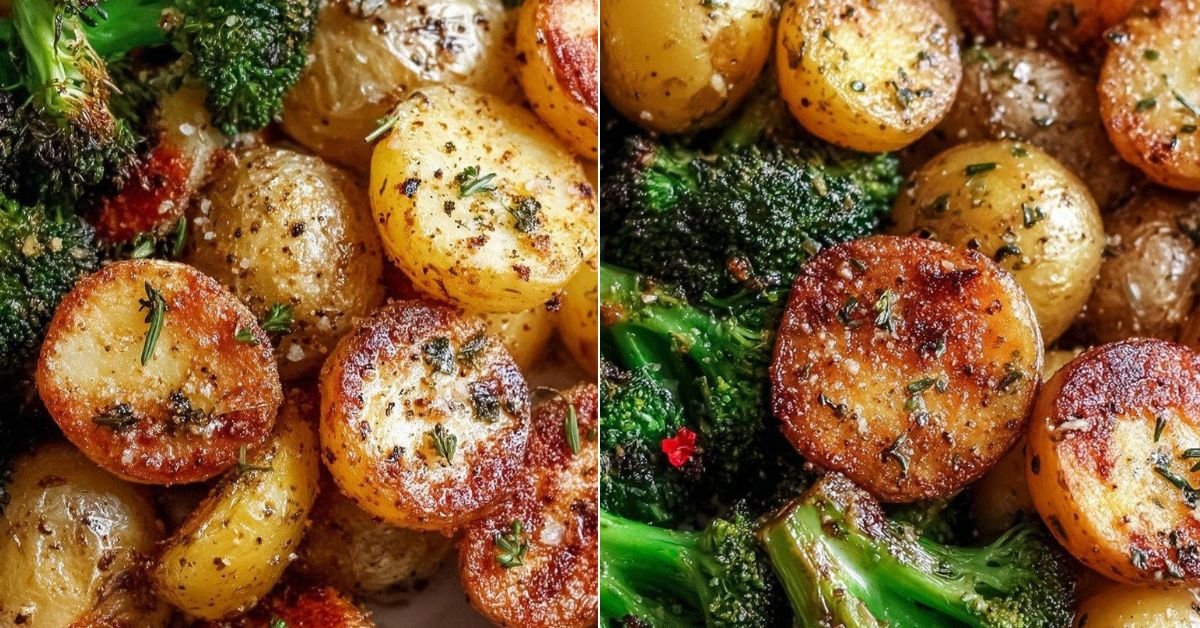
Soggy sheet-pan vegetables usually happen before the pan even reaches the oven. I’m Lila, and after making roasted potatoes and broccoli that tasted fine but lacked crisp edges, I tested smaller potato cuts, drier broccoli, better pan spacing, and adding Parmesan later instead of at the start. The discovery was simple but useful: moisture control and timing matter more than extra seasoning. This roasted parmesan potatoes and broccoli recipe became one of my calm Sunday dinner sides because it turns everyday broccoli and potatoes into something crisp, savory, bright, and dependable without making the meal feel heavy.
Table of Contents
- 1) The Crisping Trick Behind Roasted Parmesan Potatoes & Broccoli
- 2) Key Takeaways
- 3) Easy Roasted Parmesan Potatoes & Broccoli Recipe
- 4) Why Most Roasted Parmesan Potatoes & Broccoli Recipes Fail
- 5) Ingredients for Roasted Parmesan Potatoes & Broccoli
- 6) How to Make Roasted Parmesan Potatoes & Broccoli
- 7) Recipe Card: Roasted Parmesan Potatoes & Broccoli
- 8) Tips for Making Roasted Parmesan Potatoes & Broccoli
- 9) Common Mistakes & Fixes
- 10) How to Tell Roasted Parmesan Potatoes & Broccoli Are Perfect
- 11) Professional Secrets Behind Better Roasted Parmesan Potatoes & Broccoli
- 12) Best Dishes or Pairings to Serve With Roasted Parmesan Potatoes & Broccoli
- 13) Making Roasted Parmesan Potatoes & Broccoli Ahead of Time
- 14) Storing Leftover Roasted Parmesan Potatoes & Broccoli
- 15) FAQ (Real Cooking Questions)
- 16) Save This Roasted Parmesan Potatoes & Broccoli Recipe
- 17) Conclusion
- 18) Nutrition
2) Key Takeaways
- Dry vegetables roast better: Patting broccoli and potatoes dry helps them brown instead of steam.
- Pan spacing controls texture: A crowded sheet pan traps moisture and makes broccoli and potatoes soft.
- Parmesan timing matters: Adding cheese near the end prevents bitterness and gives roasted parmesan potatoes and broccoli a golden finish.
- Lemon is the final balance: A small drizzle after roasting brightens the salty Parmesan and roasted edges.
3) Easy Roasted Parmesan Potatoes & Broccoli Recipe
Roasted potatoes and broccoli work best when the potatoes are cut small enough to cook through before the broccoli loses its fresh bite. The goal is contrast: tender potato centers, lightly crisp potato edges, roasted broccoli tips, and Parmesan that melts into the vegetables during the final minutes. This method keeps the seasoning simple because the real flavor comes from browning, proper spacing, and the salty nutty finish of freshly grated cheese.
The oven temperature is important here. At 425°F, the potatoes have enough heat to crisp while the broccoli develops roasted flavor instead of turning limp. The halfway flip is not just a routine step; it exposes new surfaces to the hot pan and helps prevent one side from overbrowning while the other stays pale.

4) Why Most Roasted Parmesan Potatoes & Broccoli Recipes Fail
The vegetables are too wet: Broccoli holds water between the florets, and potatoes carry surface moisture after washing. If they go onto the pan wet, that moisture turns into steam. The result is soft broccoli, pale potatoes, and little roasted flavor. Patting everything dry gives the oil and seasonings a better surface to cling to.
The pan is overcrowded: Broccoli and potatoes need direct contact with dry heat. When pieces sit too close together, they release moisture into the same small space and steam each other. A single layer with visible space between pieces creates browning instead of a damp sheet-pan texture.
The potatoes are cut too large: Large potato chunks need more time than broccoli florets. By the time the potatoes soften, the broccoli can become dry or bitter. Evenly sized small pieces solve the timing problem and make this small potatoes recipe more reliable.
The Parmesan is added too early: Cheese can brown quickly at high heat. If it sits in the oven for the full roasting time, it may darken before the potatoes are tender. Adding Parmesan during the last 5 minutes gives a melted, lightly golden finish without burnt cheese flavor.
The final seasoning is skipped: Roasting concentrates flavor, but vegetables still need balance. Salt and pepper should be adjusted after roasting, and lemon juice should be added at the end so its brightness stays fresh instead of cooking away.
5) Ingredients for Roasted Parmesan Potatoes & Broccoli
Baby potatoes: Baby potatoes roast well because their small size gives you creamy centers and browned edges in a reasonable time. If using regular potatoes, cut them into even cubes so they cook at the same pace as the broccoli.
Fresh broccoli: Fresh broccoli gives this broccoli recipes side dish color, crunch, and roasted flavor. Cut the florets into bite-size pieces and dry them well. If the broccoli is wet, it steams before it browns.
Olive oil: Olive oil helps transfer heat, carry the seasonings, and protect the vegetables from drying out. Too little oil can make the broccoli tough; too much can leave the potatoes greasy instead of crisp.
Garlic powder: Garlic powder is useful here because it coats the vegetables evenly and does not burn as quickly as minced fresh garlic at high roasting heat.
Onion powder: Onion powder adds a rounded savory note without adding moisture. It works quietly in the background and makes the broccoli and potatoes taste more complete.
Paprika: Paprika adds warm color and gentle depth. It helps the roasted baby potatoes look more golden and gives the finished pan a slightly deeper flavor.
Salt and pepper: Salt wakes up the potatoes and broccoli before roasting, while pepper adds a mild bite. Taste again at the end because Parmesan adds saltiness too.
Freshly grated Parmesan cheese: Fresh Parmesan melts better and clings to the hot vegetables more naturally than many pre-shredded cheeses. Add it near the end so it turns golden without burning.
Fresh lemon juice: Lemon juice is optional, but it makes the finished roasted potatoes and broccoli taste brighter. Add it after roasting, not before, so the flavor stays clean and fresh.
- Baby potatoes vs large potatoes: Baby potatoes cook quickly and give more skin-on texture; larger potatoes work if cut into even cubes.
- Fresh broccoli vs frozen broccoli: Fresh broccoli browns more reliably. Frozen broccoli releases more moisture and needs extra drying and pan space.
- Fresh Parmesan vs pre-shredded Parmesan: Freshly grated Parmesan melts and browns more evenly, while pre-shredded cheese can stay dry or clumpy.
- Lemon after roasting vs lemon before roasting: Lemon added after roasting tastes brighter; lemon added before roasting can dull and add extra moisture to the pan.

6) How to Make Roasted Parmesan Potatoes & Broccoli
Step 1: Preheat the oven to 425°F. A hot oven is the foundation of crisp edges because the vegetables need immediate heat when they hit the pan.
Step 2: Wash and cut the baby potatoes into evenly sized cubes. Chop the broccoli into bite-size florets and pat both vegetables dry. The pieces should look dry on the surface before seasoning.
Step 3: Toss the potatoes and broccoli with olive oil, garlic powder, onion powder, paprika, salt, and pepper. The vegetables should be lightly coated and glossy, not dripping with oil.
Step 4: Spread everything on a large baking sheet in a single layer. If the vegetables touch too much, use a second pan. Space is what lets the edges brown instead of steam.
Step 5: Roast for 25 to 30 minutes, flipping halfway through. Look for fork-tender potatoes, browned potato edges, and broccoli tips that are roasted but not dry.
Step 6: Sprinkle the Parmesan over the vegetables during the last 5 minutes. Return the pan to the oven until the cheese melts, clings to the edges, and turns lightly golden.
Step 7: Finish with lemon juice if using, then garnish with extra Parmesan. Serve right away while the potatoes are crisp and the broccoli still has a tender roasted bite.

7) Recipe Card: Roasted Parmesan Potatoes & Broccoli
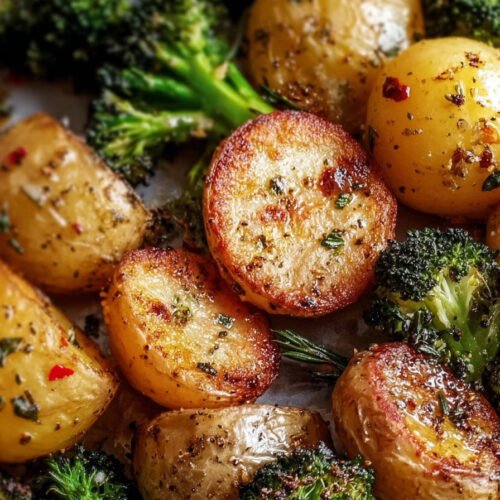
Roasted Parmesan Potatoes & Broccoli: Crispy & Flavorful
Ingredients
Vegetables
- 1 lb Baby Potatoes, or regular potatoes cut into even cubes so they roast at the same pace
- 1 lb Fresh Broccoli, cut into florets and patted dry to prevent steaming on the pan
Seasonings & Oil
- 3 tbsp Olive Oil, enough to coat the vegetables lightly without making the pan greasy
- 1/2 tsp Garlic Powder, for savory depth that disperses evenly during roasting
- 1/2 tsp Onion Powder, to round out the seasoning without adding extra moisture
- 1/2 tsp Paprika, for warm color and mild smoky flavor
- Salt and Pepper, to taste, added before roasting and adjusted again after baking if needed
Finishing Touches
- 1/4 cup Freshly Grated Parmesan Cheese, plus extra for garnish; freshly grated melts and browns better than pre-shredded
- 1 tbsp Fresh Lemon Juice, optional, for added brightness after roasting
Instructions
- Preheat the oven to 425°F (220°C). A hot oven is important because the potatoes need strong heat to brown before the broccoli overcooks.
- Wash the baby potatoes and cut them into evenly sized cubes. Chop the broccoli into bite-sized florets, then pat both vegetables dry; surface moisture is the main reason roasted vegetables steam instead of crisp.
- In a large mixing bowl, toss the potatoes and broccoli with olive oil, garlic powder, onion powder, paprika, salt, and pepper until the vegetables look evenly coated but not wet or oily.
- Spread the seasoned vegetables in a single layer on a large baking sheet. Leave space between pieces so the edges brown; if the pan looks crowded, use a second sheet pan.
- Roast for 25 to 30 minutes, stirring or flipping halfway through. The potatoes should be fork-tender with browned edges, and the broccoli should have lightly crisp tips without turning dry.
- During the last 5 minutes of roasting, sprinkle the freshly grated Parmesan over the vegetables and return the pan to the oven until the cheese melts, clings to the edges, and turns lightly golden.
- Remove the pan from the oven, drizzle with fresh lemon juice if using, and garnish with extra Parmesan. Serve immediately while the potatoes are crisp and the broccoli still has its roasted bite.
8) Tips for Making Roasted Parmesan Potatoes & Broccoli
Use a large sheet pan, not a small one. The most common difference between crisp vegetables and soggy vegetables is not the seasoning blend; it is pan space. For 2 pounds of vegetables, the pieces should sit in a loose single layer with room for steam to escape.
Cut the potatoes smaller than you think you need if they are not baby potatoes. Broccoli cooks faster than potatoes, so smaller potato pieces help the two vegetables finish together. If the potatoes are too large, the broccoli will be done long before the potatoes soften.
Add Parmesan late, not early. This one step makes roasted parmesan potatoes and broccoli taste cleaner because the cheese melts and browns without sitting in high heat long enough to scorch.
Finish with lemon only after the pan comes out of the oven. Acid is most useful at the end because it cuts through the richness of the cheese and makes healthy roasted potatoes taste brighter without needing extra oil.
9) Common Mistakes & Fixes
Problem: The vegetables turn soft instead of crisp. Cause: The broccoli and potatoes were wet or crowded on the baking sheet. Fix: Pat them dry and spread them in a single layer with space between pieces.
Problem: The broccoli burns before the potatoes are tender. Cause: The potato pieces were too large. Fix: Cut potatoes into smaller, even cubes so they finish in the same 25 to 30 minute window.
Problem: The Parmesan tastes bitter or too dark. Cause: The cheese was added too early. Fix: Add freshly grated Parmesan only during the final 5 minutes of roasting.
Problem: The finished side dish tastes flat. Cause: The vegetables were not seasoned enough or the final acidity was missing. Fix: Taste after roasting, adjust salt and pepper, and add lemon juice for brightness.
Problem: The potatoes stick to the pan. Cause: There was not enough oil or the potatoes were moved too early. Fix: Coat the vegetables evenly and flip halfway through once the first side has started to brown.
10) How to Tell Roasted Parmesan Potatoes & Broccoli Are Perfect
Perfect roasted potatoes and broccoli should look browned at the edges, not pale or wet. The potatoes should be fork-tender in the center with crisp roasted surfaces. The broccoli should have lightly crisp tips, a deeper green color in some spots, and a roasted aroma without smelling burnt.
The Parmesan should be melted and lightly golden, not dark brown or dry. When you scoop the vegetables, there should be no watery pooling on the pan. The flavor should taste savory from the cheese, warm from the paprika, and balanced by salt, pepper, and optional lemon.
Failure signs are easy to spot: limp broccoli, pale potatoes, cheese that tastes bitter, or vegetables that look wet instead of roasted. If that happens, the fix is usually better drying, more pan space, smaller potato cuts, or adding Parmesan later next time.
11) Professional Secrets Behind Better Roasted Parmesan Potatoes & Broccoli
The first professional-style trick is controlling surface moisture. Restaurants often get better roasted vegetables because the vegetables are dry before they hit high heat. At home, the same rule applies: wash early if needed, then dry thoroughly before adding oil.
The second trick is building flavor in stages. Season before roasting so the vegetables absorb flavor as they cook, then add Parmesan near the end for a fresh salty finish. This keeps the cheese distinct instead of letting it disappear into the pan too early.
The third trick is knowing when to stop. Roasted baby potatoes can handle strong heat, but broccoli has a shorter window before it turns dry. Pull the pan when the potatoes are tender and the broccoli tips are crisp, not when every piece looks deeply browned.
12) Best Dishes or Pairings to Serve With Roasted Parmesan Potatoes & Broccoli
Roasted Parmesan Potatoes & Broccoli work well with simple proteins because the side dish already brings starch, vegetable, cheese, and brightness. Serve it with roasted chicken, grilled fish, steak, turkey burgers, baked salmon, or a simple omelet for a balanced plate.
For a vegetarian meal, pair it with white beans, lentils, a fried egg, or a grain bowl with a lemony dressing. The potatoes make the plate filling, while the broccoli adds freshness and texture.
For holiday meals or Sunday dinners, this broccoli and potatoes side dish fits beside roasted meats, casseroles, stuffing, or a crisp green salad. The lemon finish is especially helpful when the rest of the meal is rich.
13) Making Roasted Parmesan Potatoes & Broccoli Ahead of Time
You can prep the vegetables ahead, but the best texture comes from roasting close to serving time. Cut the potatoes and broccoli earlier in the day, dry them well, and refrigerate them separately in airtight containers. Do not coat them heavily with oil too far ahead because salt can pull moisture from the vegetables.
If you need to roast ahead, slightly under-roast the vegetables, cool them, and reheat them on a hot sheet pan. Add a small sprinkle of fresh Parmesan near the end of reheating to refresh the flavor. Avoid covering the hot pan tightly because trapped steam softens the crisp edges.
14) Storing Leftover Roasted Parmesan Potatoes & Broccoli
Store leftovers in an airtight container in the refrigerator for up to 3 days. The flavor holds well, but the crisp texture softens as the vegetables chill. For the best reheating, use a sheet pan in a hot oven or an air fryer until the potatoes regain some edge and the broccoli warms through.
The microwave works for speed, but it will make the vegetables softer. If using the microwave, finish leftovers in a skillet for a few minutes to drive off extra moisture. Leftovers can also be chopped into breakfast hash, folded into an egg scramble, or added to a grain bowl with lemon and extra Parmesan.
15) FAQ (Real Cooking Questions)
Can I use regular potatoes instead of baby potatoes? Yes. Cut regular potatoes into evenly sized cubes so they roast in the same time as the broccoli. If the pieces are too large, the broccoli may overcook before the potatoes are tender.
Can I use frozen broccoli? Fresh broccoli gives the best roasted texture. Frozen broccoli releases more water, so thaw it, pat it very dry, and give it extra pan space if you use it.
Why did my roasted potatoes and broccoli turn soggy? The most likely causes are wet vegetables, too much crowding, or too little oven heat. Dry the vegetables well, use a large pan, and roast at 425°F for better browning.
When should I add the Parmesan? Add Parmesan during the last 5 minutes of roasting. This gives roasted parmesan potatoes and broccoli a melted, golden finish without burning the cheese.
Can I make this dairy-free? You can leave off the Parmesan for a dairy-free version, but the flavor will be less salty and nutty. Add lemon, extra pepper, or a small sprinkle of nutritional yeast after roasting if you want more savory depth.
16) Save This Roasted Parmesan Potatoes & Broccoli Recipe
If this Roasted Parmesan Potatoes & Broccoli recipe helped you solve soggy sheet-pan vegetables, save it for weeknight dinners, Sunday meals, or holiday side dishes. The key reminder is: dry the vegetables, give them space, and add Parmesan only at the end.

17) Conclusion
Roasted Parmesan Potatoes & Broccoli are not difficult, but they do depend on a few details that are easy to miss. Once you understand moisture, pan spacing, potato size, and Parmesan timing, the recipe becomes much more predictable. Instead of soft vegetables and over-browned cheese, you get crisp potato edges, tender broccoli, savory Parmesan, and a bright finish that makes the whole pan taste intentional.
The real secret is not adding more ingredients; it is using the simple ones at the right moment. That is what turns broccoli and potatoes into a side dish worth repeating.
18) Nutrition
Serving Size 1 portion Calories 238 Sugar 3 g Sodium 285 mg Fat 12 g Saturated Fat 3 g Carbohydrates 28 g Fiber 5 g Protein 7 g Cholesterol 6 mg

Leave a Comment