
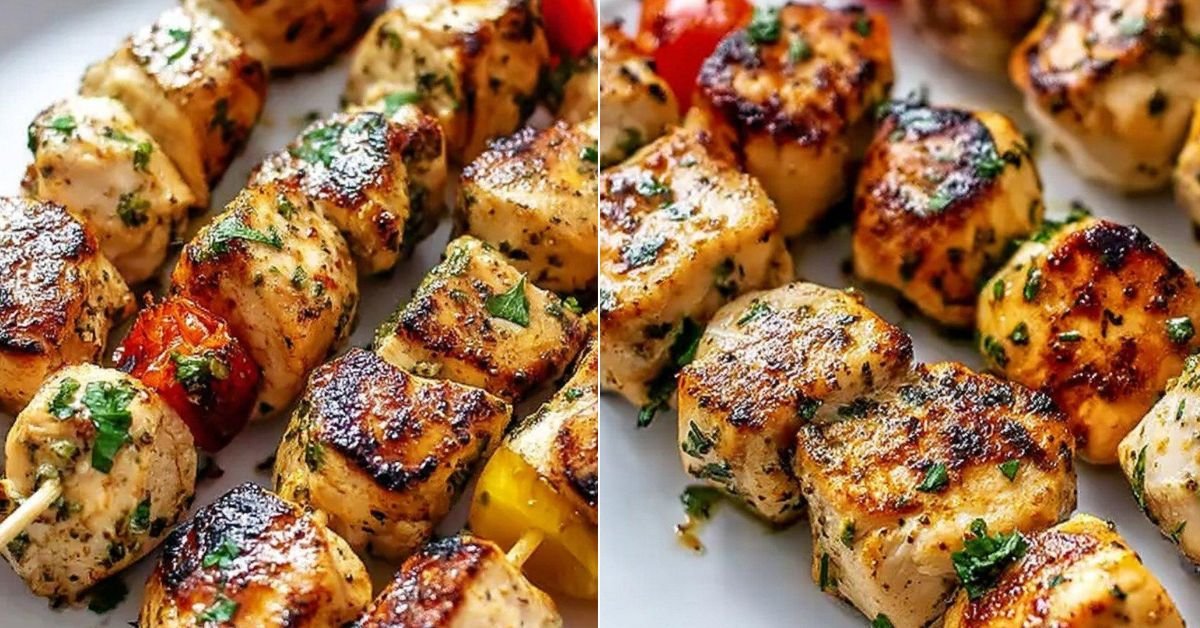
What I Learned Testing Easy Greek Marinated Chicken Kabobs
Dry chicken skewers usually start with the same mistake: the outside browns before the center has absorbed any flavor. I’m Lila, and my first batch of greek chicken kabobs looked good but tasted flat inside. After testing the marinade timing, lemon balance, and skewer spacing, I discovered that the chicken needs enough acid for brightness, enough olive oil for moisture, and enough room on the skewer to brown instead of steam. Now these greek style chicken kabobs taste like the kind of calm, sunny dinner I want when I need something simple but still worth sitting down for.
Table of Contents
- 1) What I Learned Testing Easy Greek Marinated Chicken Kabobs
- 2) Key Takeaways
- 3) Easy Greek Marinated Chicken Kabobs Recipe
- 4) Why Most Easy Greek Marinated Chicken Kabobs Recipes Fail
- 5) Ingredients for Easy Greek Marinated Chicken Kabobs
- 6) How to Make Easy Greek Marinated Chicken Kabobs
- 7) Recipe Card: Easy Greek Marinated Chicken Kabobs
- 8) Tips for Making Easy Greek Marinated Chicken Kabobs
- 9) Common Mistakes & Fixes
- 10) How to Tell Easy Greek Marinated Chicken Kabobs Are Done
- 11) Professional Secrets Behind Better Easy Greek Marinated Chicken Kabobs
- 12) Best Dishes or Pairings to Serve With Easy Greek Marinated Chicken Kabobs
- 13) Making Easy Greek Marinated Chicken Kabobs Ahead of Time
- 14) Storing Leftover Easy Greek Marinated Chicken Kabobs
- 15) FAQ (Real Cooking Questions)
- 16) Save This Easy Greek Marinated Chicken Kabobs Recipe
- 17) Conclusion
- 18) Nutrition
2) Key Takeaways
- The biggest flavor win comes from giving the greek kebab marinade enough time to season the chicken without letting the lemon and vinegar soften the texture too much.
- Even 1.5-inch chicken pieces cook more reliably, so the kabobs finish juicy instead of having dry small pieces and underdone large pieces on the same skewer.
- Leaving a small gap between chicken and vegetables helps browning; tightly packed skewers trap steam and reduce those flavorful grilled edges.
- These greek chicken kabobs work on the grill, in the oven, or on a stovetop grill pan, but the doneness goal stays the same: browned outside and 165°F inside.
3) Easy Greek Marinated Chicken Kabobs Recipe
Easy Greek Marinated Chicken Kabobs are built around a simple but important balance: fat, acid, salt, garlic, and herbs. The olive oil helps the seasoning cling to the chicken and protects the surface from drying too quickly. Fresh lemon juice and red wine vinegar add brightness, but they also need restraint because too much acid or too much marinating time can make the chicken surface soft instead of clean and juicy.
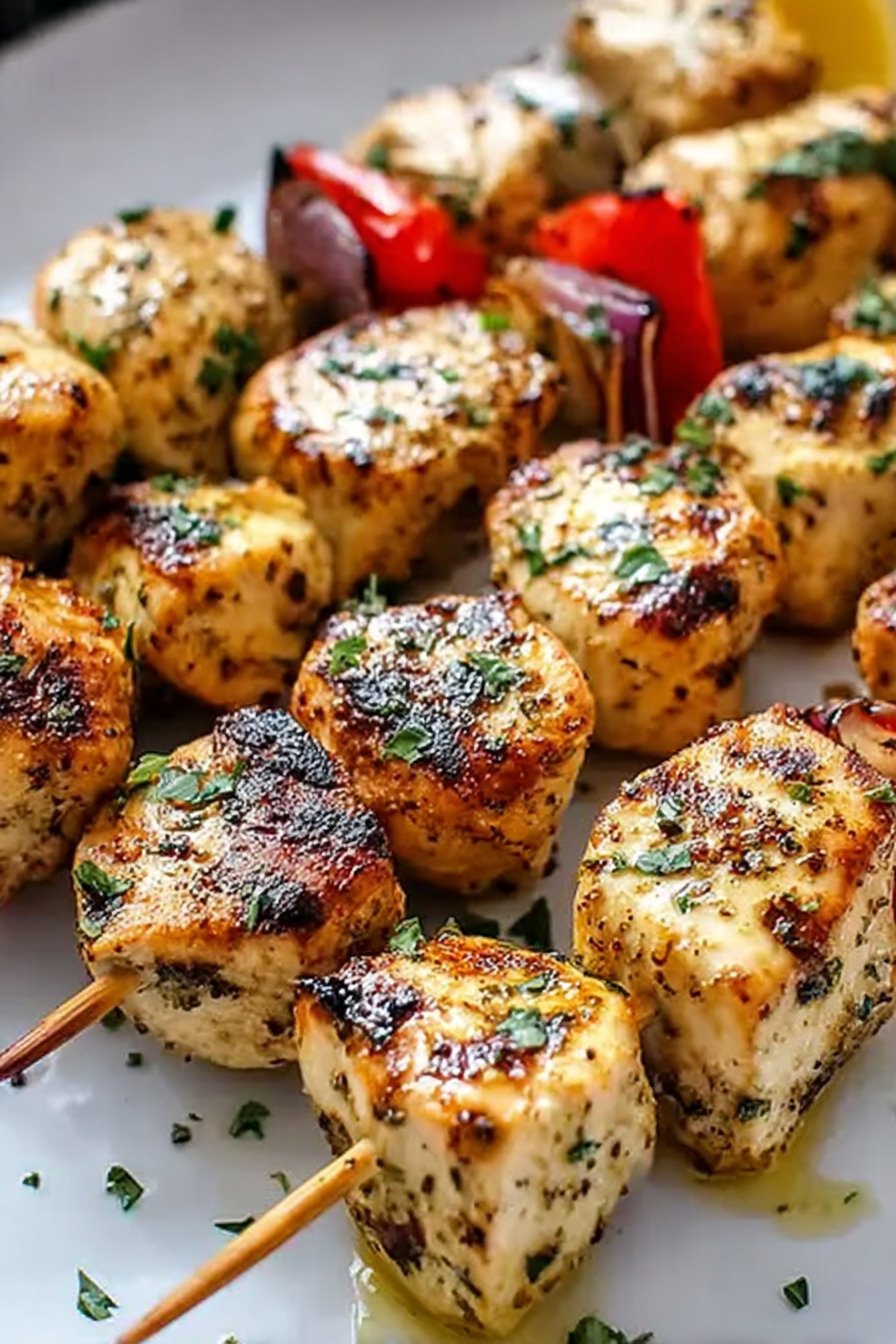
The flavor goal is not heavy or complicated. These skewers should taste savory from garlic, earthy from oregano, bright from lemon, and lightly smoky if cooked on a grill or grill pan. The optional onion, bell pepper, and zucchini add color and sweetness, but the chicken remains the center of the recipe. That is what makes these kabobs useful for dinner, meal prep, cookouts, or a lower-carb plate with salad and tzatziki.
4) Why Most Easy Greek Marinated Chicken Kabobs Recipes Fail
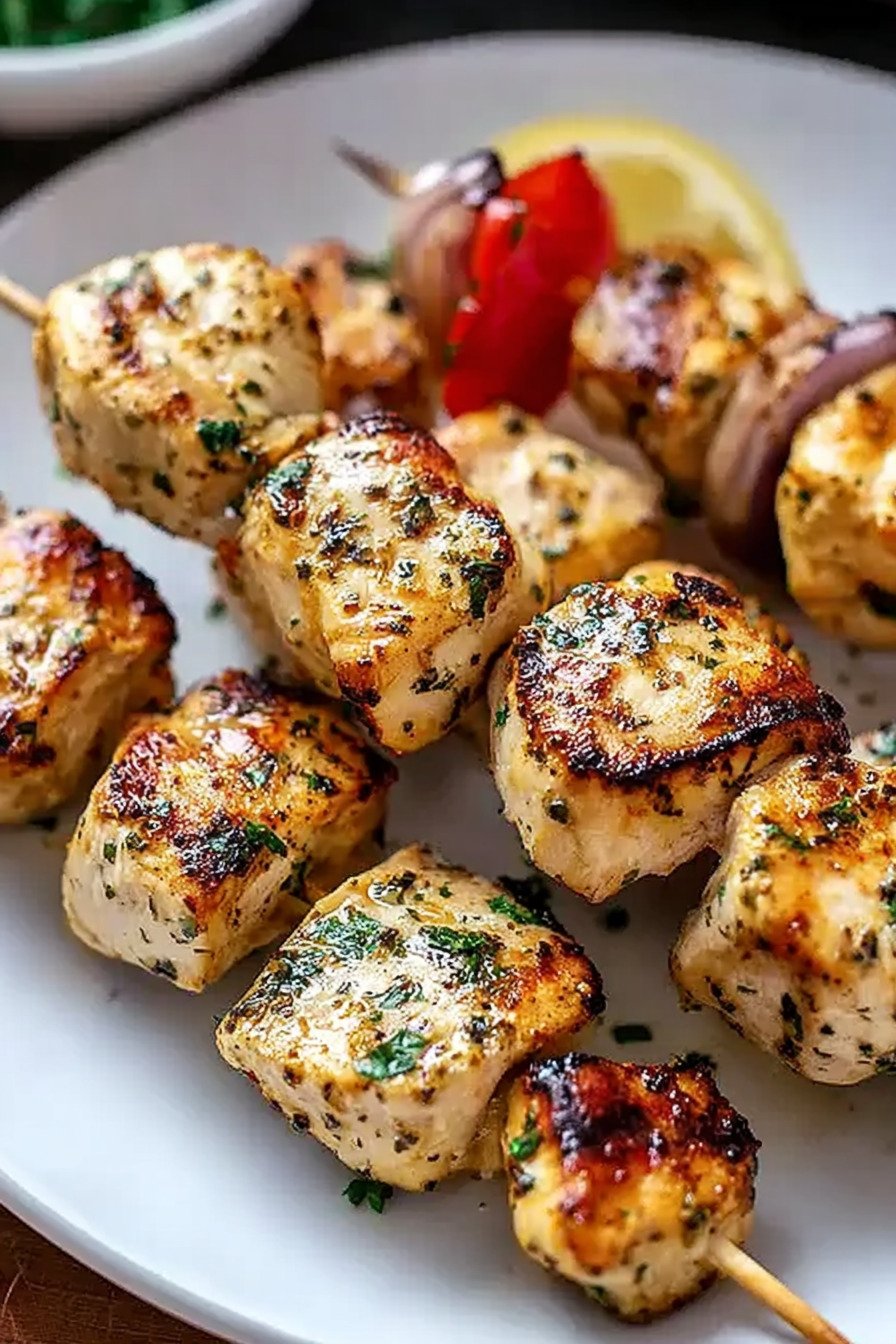
Most chicken kabob problems come from small details that seem harmless at first. The first failure is uneven cutting. If some chicken pieces are tiny and others are large, the small pieces dry out before the thicker ones are safe to eat. Keeping the chicken close to 1.5-inch cubes gives the heat a fair chance to cook every piece at the same pace.
The second failure is treating marinade time like more is always better. Lemon juice and red wine vinegar brighten the chicken, but they are acidic. A short marinating time can taste shallow, while an overly long one can make the outside of the chicken feel slightly mushy. For the best marinade for chicken kabobs, 30 minutes works for speed, while 2 to 8 hours gives deeper flavor without damaging the texture.
The third failure is packing skewers too tightly. When chicken, onion, pepper, and zucchini are pressed together with no room between them, steam gets trapped. That steam prevents browning and leaves the kabobs pale instead of lightly charred. A little space creates better heat circulation and better flavor.
The fourth failure is heat that is too aggressive. A screaming-hot grill can burn garlic and darken the outside before the chicken reaches 165°F inside. Medium-high heat gives the kabobs time to brown, cook through, and stay juicy. The final failure is skipping the short rest after cooking. Even a few minutes helps the juices settle before serving.
5) Ingredients for Easy Greek Marinated Chicken Kabobs
Olive oil: Olive oil is the carrier for the marinade. It spreads garlic, oregano, lemon, vinegar, salt, and pepper across the chicken and helps reduce surface dryness during cooking. If you use too little, the chicken can taste sharp rather than balanced.
Fresh lemon juice: Lemon juice gives greek lemon chicken kabobs their clean, bright flavor. Use it when you want freshness and acidity, but avoid adding extra just because the marinade smells good. Too much lemon can tighten or soften the chicken surface in the wrong way.
Red wine vinegar: Red wine vinegar adds a deeper tang than lemon alone. It supports the Greek-style flavor and helps the marinade taste rounded instead of one-note. If replaced with a very sweet vinegar, the kabobs can lose their sharp Mediterranean balance.
Garlic: Minced garlic gives the kabobs their savory backbone. Mince it finely so it coats the chicken rather than sitting in large pieces that can burn on the grill. Garlic should smell fragrant after cooking, not bitter or scorched.
Dried oregano: Oregano is the herb that makes the marinade taste unmistakably Greek-inspired. Dried oregano works well because it holds up during marinating and cooking. If you replace it with a delicate fresh herb, the flavor will be softer and less direct.
Salt: Salt is not just for surface flavor. It helps season the chicken during the marinating time, so each bite tastes complete. If the kabobs taste flat even with lemon and garlic, under-salting is usually the reason.
Black pepper: Black pepper adds gentle heat and balances the acidity in the marinade. It should support the chicken, not dominate it. Freshly cracked pepper gives a slightly more aromatic finish if you have it.
Paprika: Paprika is optional, but it adds warm color and a faint smoky note. It is useful when cooking in the oven or on a grill pan because it helps the chicken look more golden even without open-flame char.
Boneless skinless chicken breasts or thighs: Chicken breasts cook lean and clean, but they need careful timing. Chicken thighs are more forgiving and stay juicy longer. Whichever you choose, cut the pieces evenly so the kabobs cook at the same pace.
Red onion, bell pepper, and zucchini: These optional vegetables bring sweetness, color, and texture. Cut them large enough to stay on the skewers. Thin vegetables can burn or collapse before the chicken finishes cooking.
Wooden or metal skewers: Metal skewers conduct heat and are reusable. Wooden skewers work well too, but soaking them for 30 minutes helps reduce scorching, especially on a grill.
- Chicken breasts vs chicken thighs: Breasts give a leaner bite, while thighs stay juicier if the heat runs a little high.
- Fresh lemon juice vs bottled lemon juice: Fresh lemon tastes brighter and cleaner; bottled juice can taste flat or harsh in a simple marinade.
- Loose skewering vs tight skewering: Loose skewering encourages browning, while tight skewering traps steam and softens the edges.
- Grill vs oven vs stovetop: The grill gives the strongest char, the oven is steady and hands-off, and a grill pan gives good browning indoors.
6) How to Make Easy Greek Marinated Chicken Kabobs
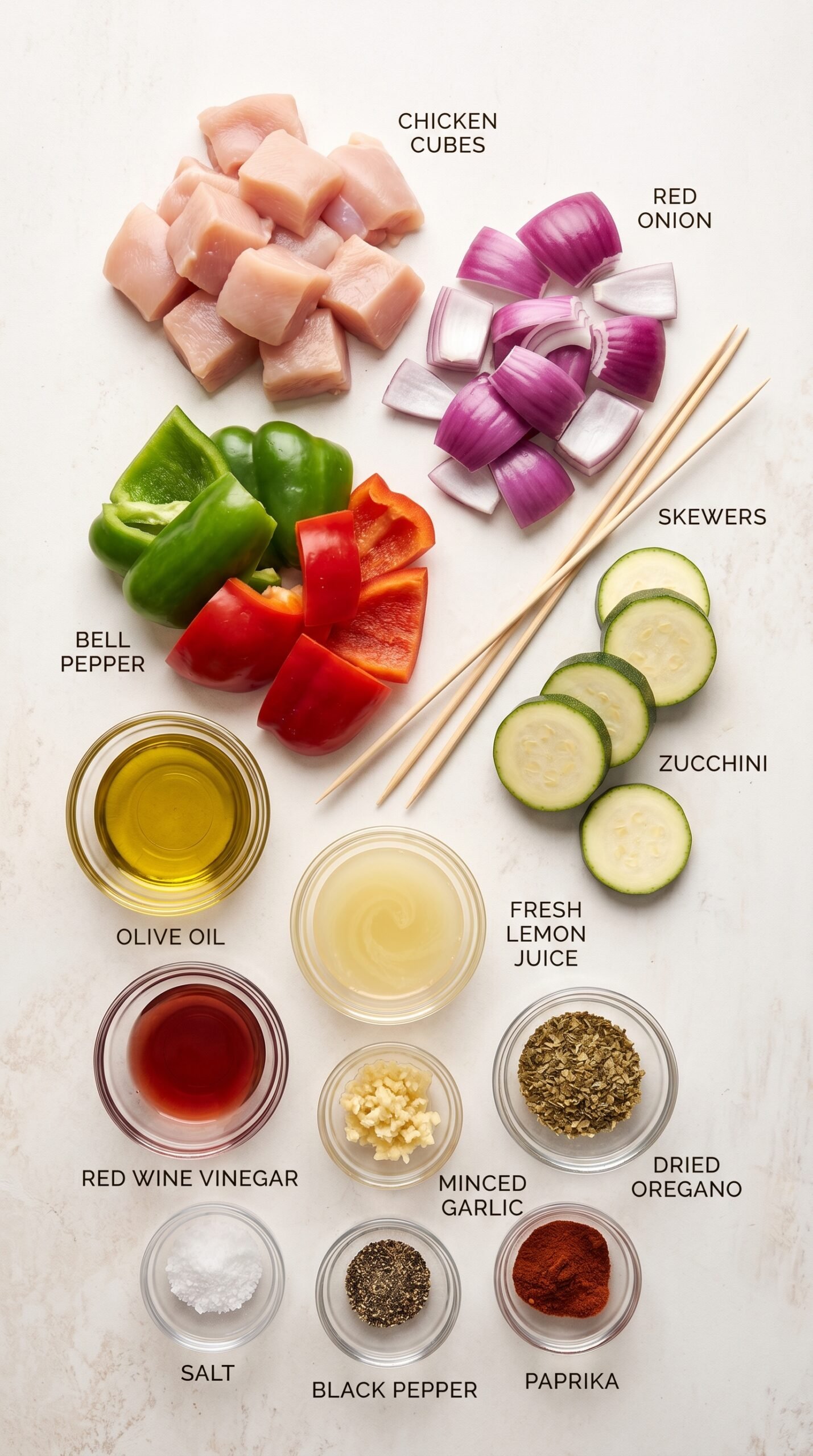
Step 1: Whisk together olive oil, fresh lemon juice, red wine vinegar, minced garlic, dried oregano, salt, black pepper, and paprika if you are using it. The marinade should look glossy and speckled with herbs, and the garlic should be evenly distributed rather than clumped at the bottom.
Step 2: Add the chicken pieces to a large bowl or zip-top bag, pour the marinade over the chicken, and toss until every piece is coated. Refrigerate for at least 30 minutes, or preferably 2 to 8 hours. Do not leave the chicken in the acidic marinade too long, because the texture can become soft instead of juicy.
Step 3: Soak wooden skewers for 30 minutes if using them. Thread the marinated chicken onto the skewers, alternating with red onion, bell pepper, and zucchini if desired. Keep the pieces snug enough to hold together but not smashed tightly together.
Step 4: Cook the kabobs using your preferred method. On the grill, use medium-high heat and cook for 10 to 12 minutes, turning halfway. In the oven, bake at 425°F for 18 to 22 minutes, turning once. On the stovetop, use a hot grill pan and cook for about 10 to 12 minutes, turning occasionally.
Step 5: Stop cooking when the chicken is browned, cooked through, and reaches 165°F in the thickest piece. Let the kabobs rest briefly before serving so the juices settle. Serve warm with tzatziki, pita, rice, or salad.
7) Recipe Card: Easy Greek Marinated Chicken Kabobs
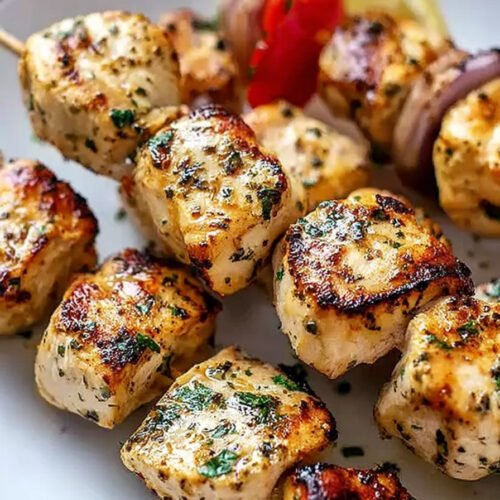
Easy Greek Marinated Chicken Kabobs
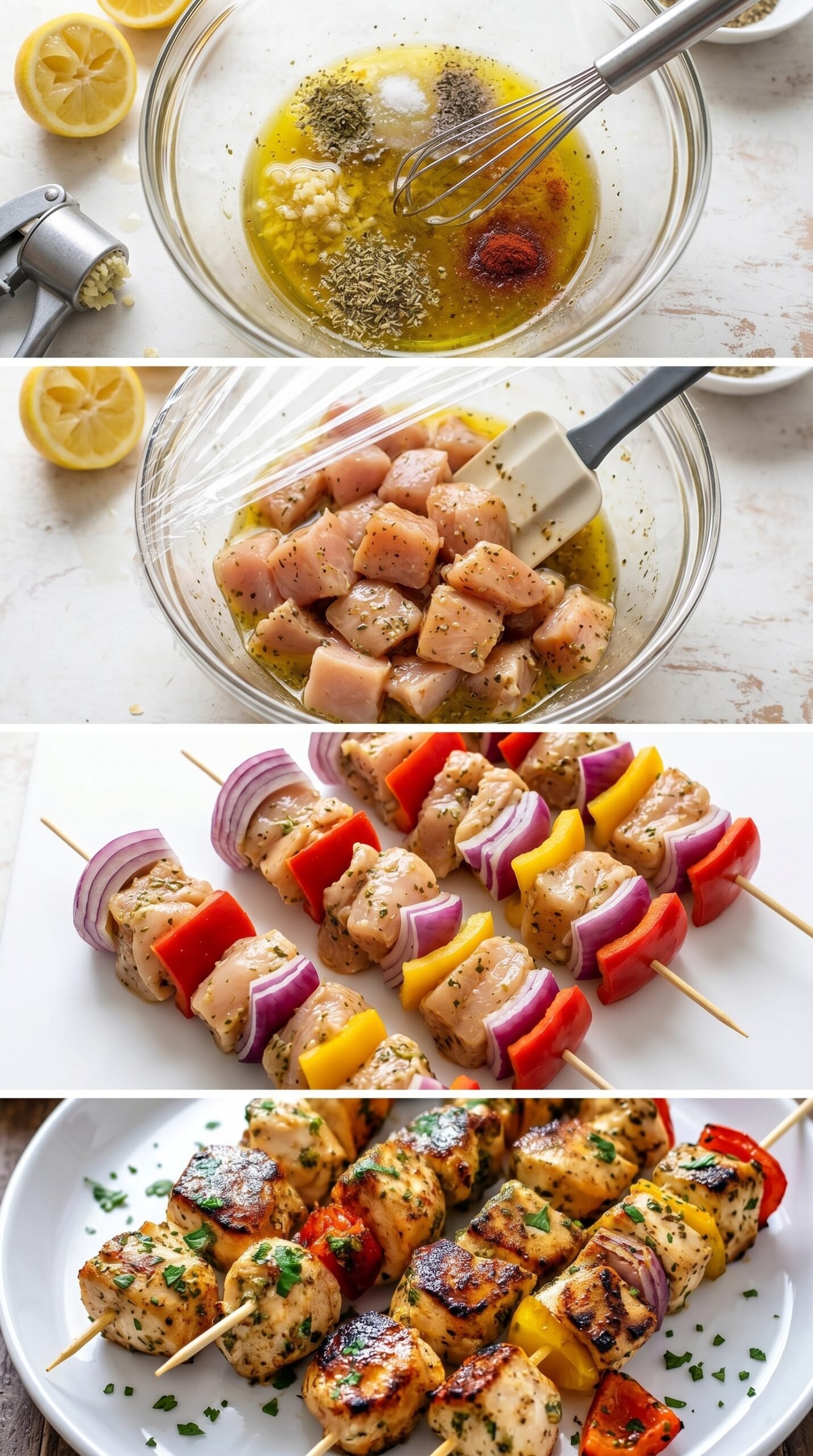
Ingredients
For the Marinade
- ¼ cup olive oil, used to carry the garlic, oregano, and lemon flavor over every piece of chicken
- 3 tablespoons fresh lemon juice, for bright acidity that tenderizes the surface without making the chicken mushy
- 1 tablespoon red wine vinegar, to deepen the tangy Greek-style marinade flavor
- 3 cloves garlic minced, finely minced so it coats the chicken evenly and does not burn in large chunks
- 1 tablespoon dried oregano, the main herb flavor for classic Greek-style kabobs
- 1 teaspoon salt, needed to season the chicken throughout the marinating time
- ½ teaspoon black pepper, for mild heat and savory balance
- ½ teaspoon paprika optional, for gentle color and a subtle smoky note
For the Kabobs
- 1.5 pounds boneless skinless chicken breasts or thighs cut into 1.5-inch cubes, kept evenly sized so the kabobs cook at the same pace
- 1 medium red onion chopped into large chunks (optional), large enough to stay on the skewers without burning too quickly
- 1 bell pepper chopped into large pieces (optional), for sweet color and grilled texture
- 1 zucchini sliced into thick rounds (optional), thick enough to soften without falling apart
- Wooden or metal skewers, with wooden skewers soaked before grilling to reduce scorching
Instructions
- Make the marinade by whisking olive oil, fresh lemon juice, red wine vinegar, minced garlic, dried oregano, salt, black pepper, and paprika, if using, in a medium bowl until the oil looks lightly blended with the acids and the garlic is evenly suspended.
- Place the chicken pieces in a large bowl or zip-top bag, pour the marinade over the chicken, and toss until every surface is coated. Cover and refrigerate for at least 30 minutes, or 2 to 8 hours for deeper flavor. Avoid going much longer because the lemon and vinegar can make the surface texture too soft.
- If using wooden skewers, soak them in water for 30 minutes before cooking. Thread the marinated chicken onto the skewers, alternating with red onion, bell pepper, and zucchini if using. Leave a little space between pieces so heat can circulate and the chicken browns instead of steaming.
- For the grill, preheat to medium-high heat and lightly oil the grates. Grill the skewers for 10 to 12 minutes, turning halfway, until the chicken has grill marks and reaches 165°F in the thickest piece. For the oven, preheat to 425°F, line a baking sheet with foil, and bake for 18 to 22 minutes, turning once halfway. For the stovetop, heat a grill pan over medium-high heat and cook the skewers for 10 to 12 minutes, turning occasionally, until browned and fully cooked.
- Serve the kabobs warm after a brief 3 to 5 minute rest so the juices settle. Pair with tzatziki, pita, rice, or a crisp salad, and spoon any safe, fresh sauce or dressing on the side rather than reusing raw marinade.
8) Tips for Making Easy Greek Marinated Chicken Kabobs
For juicy greek chicken kabobs, start with consistent cutting. Pieces that are close in size cook evenly, which matters more than most people realize. If the chicken pieces are too small, they dry out quickly. If they are too large, the outside can brown before the center is fully cooked.
Use the marinade as a coating, not a swimming pool. The chicken should be well covered, but it does not need to sit in excessive liquid. Toss the pieces once or twice during marinating if they are in a bowl so the seasoning stays even.
Watch the garlic during cooking. Garlic in a marinade can burn if the heat is too high or if large garlic pieces sit on the surface. Finely minced garlic gives flavor without creating bitter spots. If you see the kabobs darkening too fast before the chicken is done, lower the heat slightly or move them to a cooler part of the grill.
For low carb chicken kabobs, keep the skewers vegetable-heavy and serve them with cucumber salad, lettuce, grilled zucchini, or tzatziki. The marinade already brings enough flavor, so you do not need a heavy sauce to make the plate satisfying.
9) Common Mistakes & Fixes
Problem: The chicken tastes bland inside. Cause: The marinating time was too short, or the chicken pieces were not evenly coated. Fix: Toss the chicken thoroughly and aim for 2 to 8 hours when you want deeper flavor.
Problem: The kabobs are dry. Cause: The pieces were too small, the heat was too high, or the chicken cooked past 165°F. Fix: Cut larger even cubes, use medium-high heat, and check the thickest piece with a thermometer.
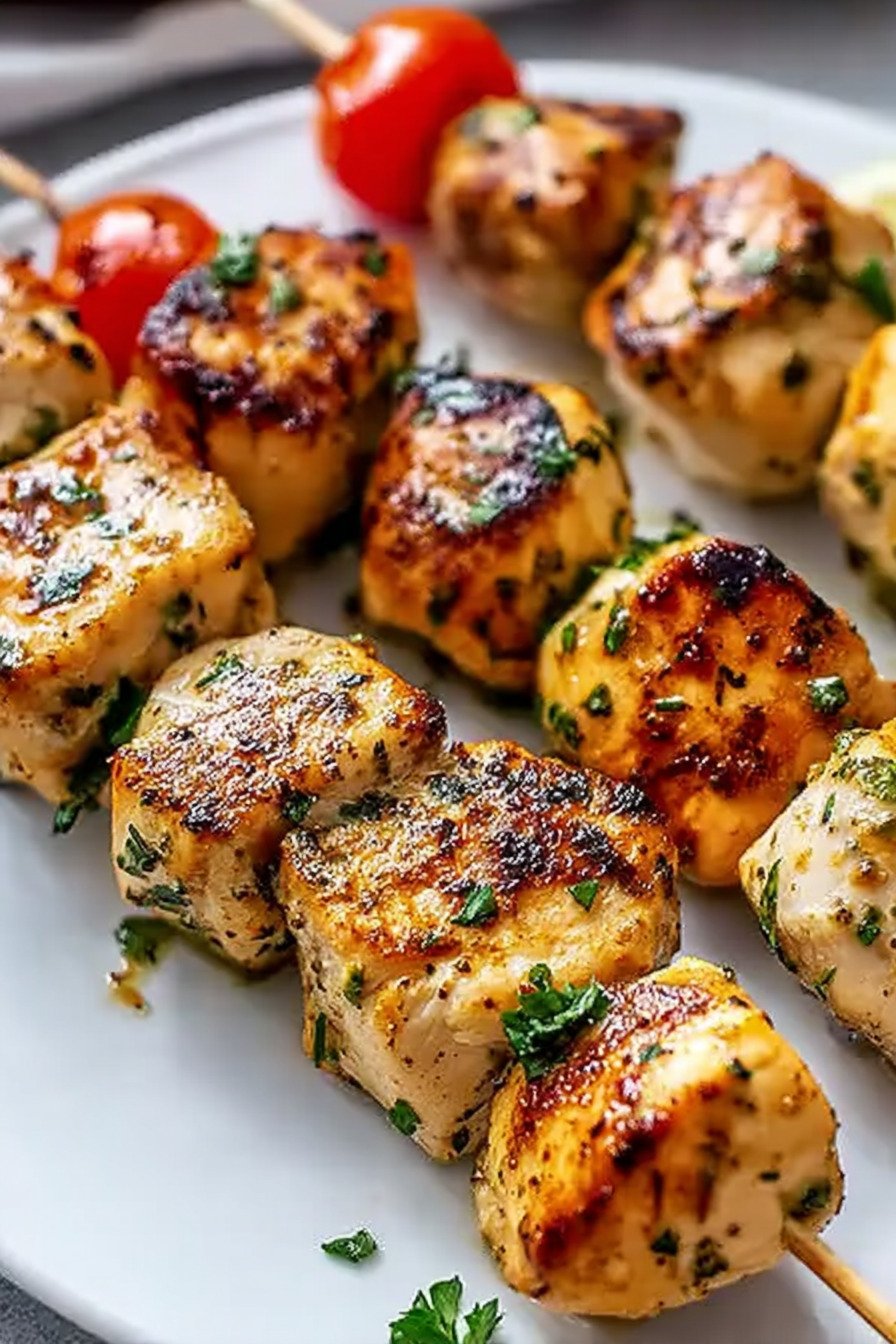
Problem: The skewers look pale instead of browned. Cause: The pieces were packed too tightly, which trapped steam. Fix: Leave a little space between chicken and vegetables so the surface can brown.
Problem: The garlic tastes bitter. Cause: Garlic pieces burned on very high heat. Fix: Mince garlic finely, avoid flare-ups, and reduce the heat if the outside darkens before the chicken is cooked through.
Problem: The chicken surface feels too soft. Cause: The acidic marinade sat too long. Fix: Keep the marinating window controlled and avoid overnight marinating for this lemon and vinegar mixture.
10) How to Tell Easy Greek Marinated Chicken Kabobs Are Done
Easy Greek Marinated Chicken Kabobs are done when the chicken has light browning or grill marks on the outside, the juices run clear, and the thickest piece reaches 165°F. Visually, the chicken should look opaque all the way through, not translucent or glossy in the center. The edges should have some color, but they should not look blackened or dry.
The texture should be firm enough to hold on the skewer but still juicy when sliced. If the chicken feels rubbery, it may have cooked too long or sat too long in the acidic marinade. If it feels slippery or soft on the surface before cooking, the marinade may have gone too far. The aroma should be savory, lemony, garlicky, and herbal, with no bitter burned garlic smell.
11) Professional Secrets Behind Better Easy Greek Marinated Chicken Kabobs
The first professional habit is to season with structure. Oil, acid, salt, and aromatics all have a job. Olive oil carries flavor and helps with moisture, lemon juice brightens, vinegar sharpens, salt seasons the meat, and oregano gives the kabobs their Mediterranean character. When one part is pushed too far, the marinade becomes harsh instead of balanced.
The second secret is managing surface moisture. Before skewering, the chicken should be coated but not dripping heavily. Excess marinade can fall into the grill, cause flare-ups, and stop the chicken from browning properly. Letting extra marinade drip off before cooking gives cleaner grill marks and better texture.
The third secret is turning with patience. If you move the skewers too soon, the chicken can stick and tear. Give the first side enough time to make contact with the heat, then turn once the surface releases more easily. This is especially helpful when making a mediterranean shish kabob style dinner on a grill pan.
12) Best Dishes or Pairings to Serve With Easy Greek Marinated Chicken Kabobs
These kabobs are bright and savory, so they pair well with cool, creamy, crisp, or lightly starchy sides. Tzatziki is the most natural match because the yogurt, cucumber, and garlic echo the Greek flavors while cooling the grilled chicken. Pita works well when you want a hand-held dinner, while rice turns the skewers into a fuller plate.
For a lighter meal, serve the kabobs with cucumber tomato salad, chopped romaine, grilled zucchini, or a lemony herb salad. For a family-style dinner, add warm pita, rice pilaf, roasted vegetables, and a bowl of tzatziki. If you want low carb chicken kabobs, skip the pita and rice and build the plate around vegetables, salad, and sauce.

13) Making Easy Greek Marinated Chicken Kabobs Ahead of Time
You can make the marinade ahead and refrigerate it separately for up to a day. You can also cut the vegetables ahead and store them in a covered container. For the best texture, add the chicken to the marinade within the recommended window rather than letting it sit too long. A 2 to 8 hour marinating time gives strong flavor without letting the lemon and vinegar change the texture too much.
If you want to prepare skewers before guests arrive, thread them a few hours ahead and keep them covered in the refrigerator. Take them out only while the grill or oven preheats. This keeps the chicken cold and safe while still making dinner feel easier when it is time to cook.
14) Storing Leftover Easy Greek Marinated Chicken Kabobs
Store leftover cooked kabobs in an airtight container in the refrigerator for up to 3 days. Remove the chicken and vegetables from the skewers if that makes storage easier. Reheat gently in a covered skillet over low to medium heat, in a low oven, or in short microwave intervals. High heat during reheating can dry out the chicken.
Leftover greek chicken kabobs can be sliced into salads, tucked into pita, served over rice, or added to a quick bowl with cucumbers, tomatoes, and tzatziki. The flavor is strongest after resting, but the texture is best when reheated only until warm.
15) FAQ (Real Cooking Questions)
Can I use chicken thighs instead of chicken breasts? Yes. Chicken thighs are slightly richer and more forgiving, which helps if your grill runs hot. Chicken breasts work well too, but they need closer attention so they do not pass 165°F by much.
How long should I marinate greek chicken kabobs? Marinate for at least 30 minutes when you are short on time. For deeper flavor, 2 to 8 hours is the better window. Avoid pushing the marinade too long because lemon juice and vinegar can change the chicken’s surface texture.
Can I bake these instead of grilling? Yes. Bake the kabobs at 425°F for 18 to 22 minutes, turning once halfway through. The oven will not give the same smoky char as a grill, but paprika and proper spacing help create good color.
What vegetables work best on the skewers? Red onion, bell pepper, and zucchini work well because they cook in the same general time as the chicken when cut large enough. Avoid very thin pieces because they can burn or fall apart before the chicken is done.
Can I reuse the marinade as a sauce? Do not reuse marinade that touched raw chicken unless it is boiled thoroughly first. For the cleanest flavor and safest serving, make a separate fresh sauce or serve the kabobs with tzatziki, lemon wedges, or salad dressing.
16) Save This Easy Greek Marinated Chicken Kabobs Recipe
If this Easy Greek Marinated Chicken Kabobs recipe helped you solve dry or bland skewers, save it for grilling nights, meal prep, or a fresh family dinner. The key reminder is: marinate long enough for flavor, cut the chicken evenly, and leave space on the skewers for better browning.
17) Conclusion
Once you understand why chicken kabobs fail, this recipe becomes much easier to trust. The marinade is not just for flavor; it controls brightness, moisture, and seasoning. The skewer spacing is not just for appearance; it controls browning. The cooking temperature is not just a setting; it decides whether the chicken stays juicy or turns dry. With those details in place, Easy Greek Marinated Chicken Kabobs become a reliable dinner instead of a guessing game.
18) Nutrition
Serving Size 1 portion Calories 365 Sugar 3 g Sodium 720 mg Fat 20 g Saturated Fat 3 g Carbohydrates 8 g Fiber 2 g Protein 38 g Cholesterol 110 mg

Leave a Comment