
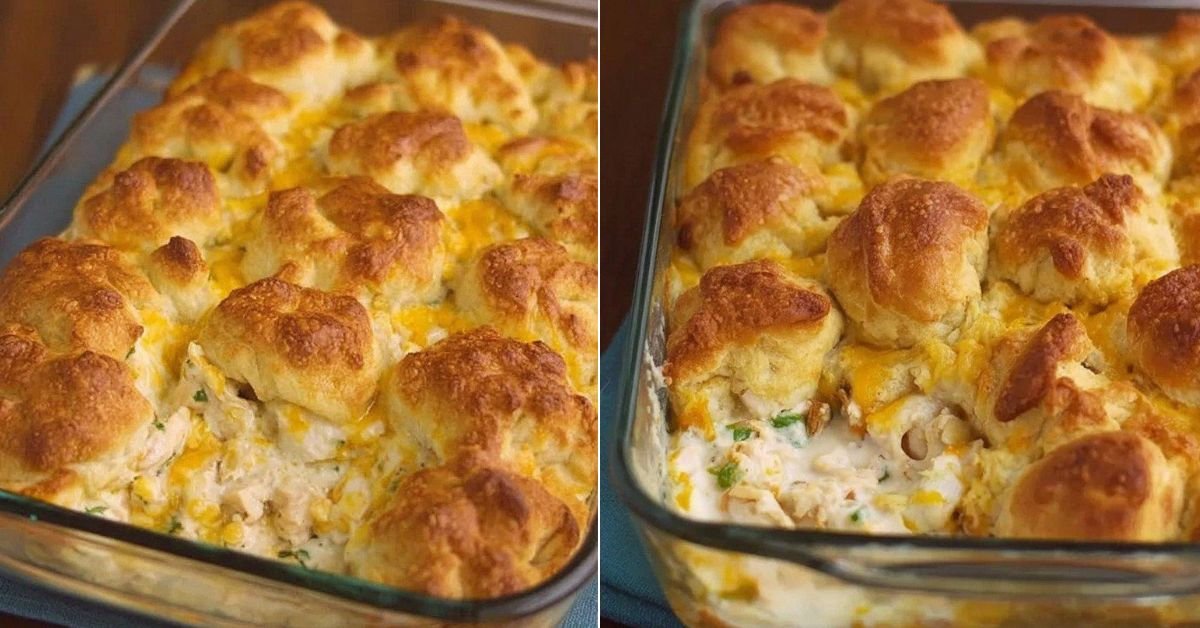
1) What I Learned Testing Chicken Crescent Roll Casserole
Soggy crescent rolls can make chicken crescent roll casserole feel heavy instead of cozy. I’m Lila, and my first batch taught me that a loose filling and too much sauce can soften the bottoms before the dough has time to bake. After testing the filling thickness, seam placement, and sauce consistency, I discovered that the rolls need a creamy but firm center and just enough sauce to bubble around them. This crescent roll chicken casserole became the kind of calm, comforting dinner I save for busy evenings when chicken and crescent rolls need to feel warm, simple, and satisfying.
Table of Contents
- 1) What I Learned Testing Chicken Crescent Roll Casserole
- 2) Key Takeaways
- 3) Easy Chicken Crescent Roll Casserole Recipe
- 4) Why Most Chicken Crescent Roll Casserole Recipes Fail
- 5) Ingredients for Chicken Crescent Roll Casserole
- 6) How to Make Chicken Crescent Roll Casserole
- 7) Recipe Card: Chicken Crescent Roll Casserole
- 8) Tips for Making Chicken Crescent Roll Casserole
- 9) Common Mistakes & Fixes
- 10) How to Tell Chicken Crescent Roll Casserole Is Done
- 11) Professional Secrets Behind Better Chicken Crescent Roll Casserole
- 12) Best Dishes or Pairings to Serve With Chicken Crescent Roll Casserole
- 13) Making Chicken Crescent Roll Casserole Ahead of Time
- 14) Storing Leftover Chicken Crescent Roll Casserole
- 15) FAQ (Real Cooking Questions)
- 16) Save This Chicken Crescent Roll Casserole Recipe
- 17) Conclusion
- 18) Nutrition
2) Key Takeaways
- Keep the chicken filling creamy but thick so it stays inside the crescent dough instead of leaking into the baking dish.
- Place every roll seam-side down to help the dough hold its shape while the sauce bubbles around it.
- Whisk the cream of chicken soup and milk until smooth before pouring so the casserole bakes evenly.
- Let the casserole rest briefly after baking; this helps the sauce thicken and keeps the rolls from falling apart when served.
3) Easy Chicken Crescent Roll Casserole Recipe
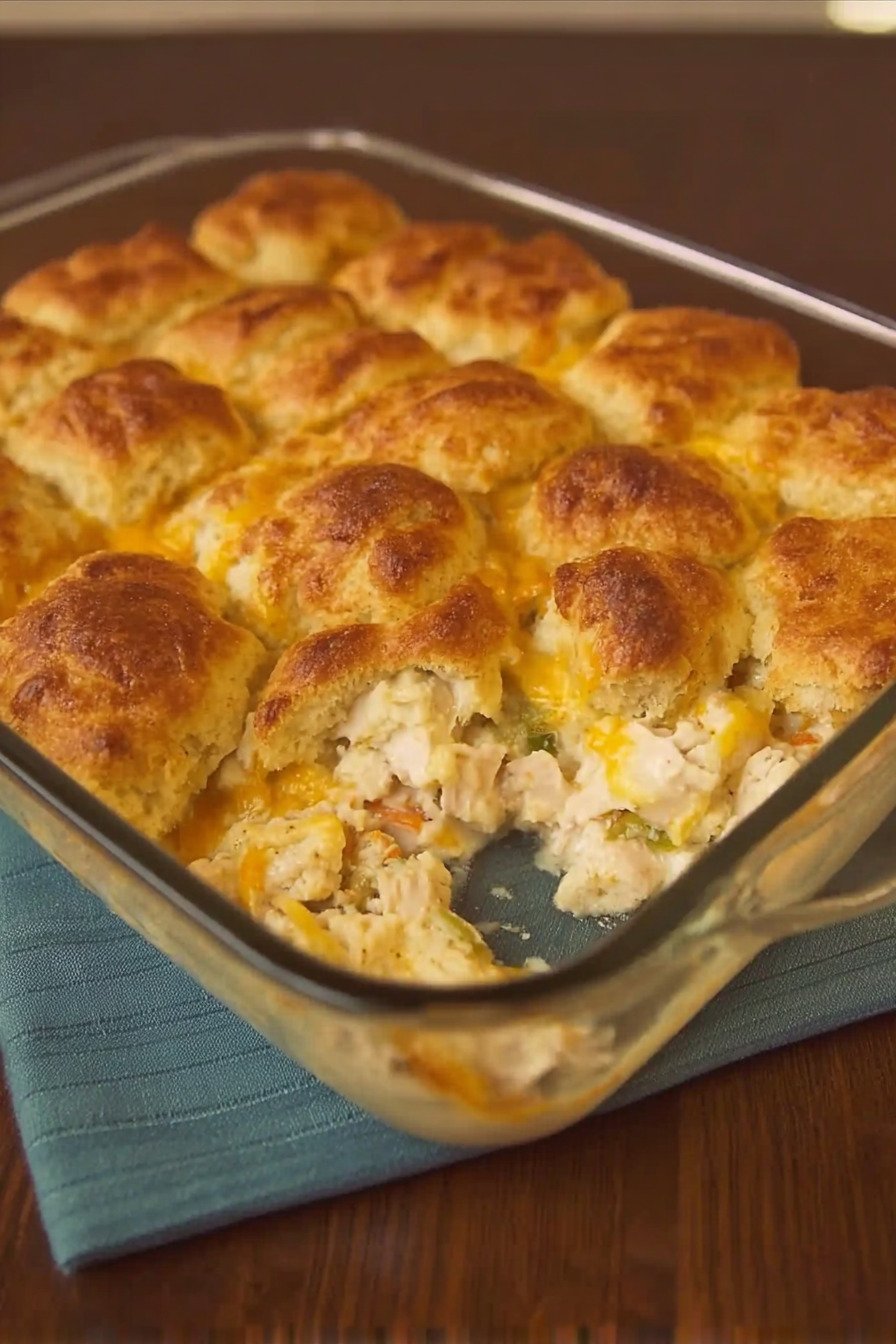
A good chicken crescent roll casserole should have three clear textures: tender chicken filling, soft creamy sauce, and golden crescent edges. The method works because the cream cheese binds the shredded chicken before the rolls are wrapped, while the soup and milk create a sauce that surrounds the rolls as they bake. This is one of those crescent roll dinner recipes where small details matter. If the filling is too loose, the dough becomes wet. If the sauce is too thick, the casserole can taste heavy. The goal is creamy comfort without losing the flaky crescent structure.
4) Why Most Chicken Crescent Roll Casserole Recipes Fail
Most chicken crescent roll casserole problems start with moisture control. If the shredded chicken is very wet, or if the cream cheese is melted instead of softened, the filling can slide out of the dough and make the rolls soggy underneath. Overfilling is another common issue because the dough needs room to expand as it bakes. A third problem is uneven sauce; thick lumps of soup can bake into salty pockets while dry spots leave the crescent tops tough. Underseasoned filling can also taste flat because crescent dough and cream sauce both need savory balance. The method prevents these issues by using a thick filling, seam-side-down placement, smooth sauce, and a short resting time after baking.
5) Ingredients for Chicken Crescent Roll Casserole
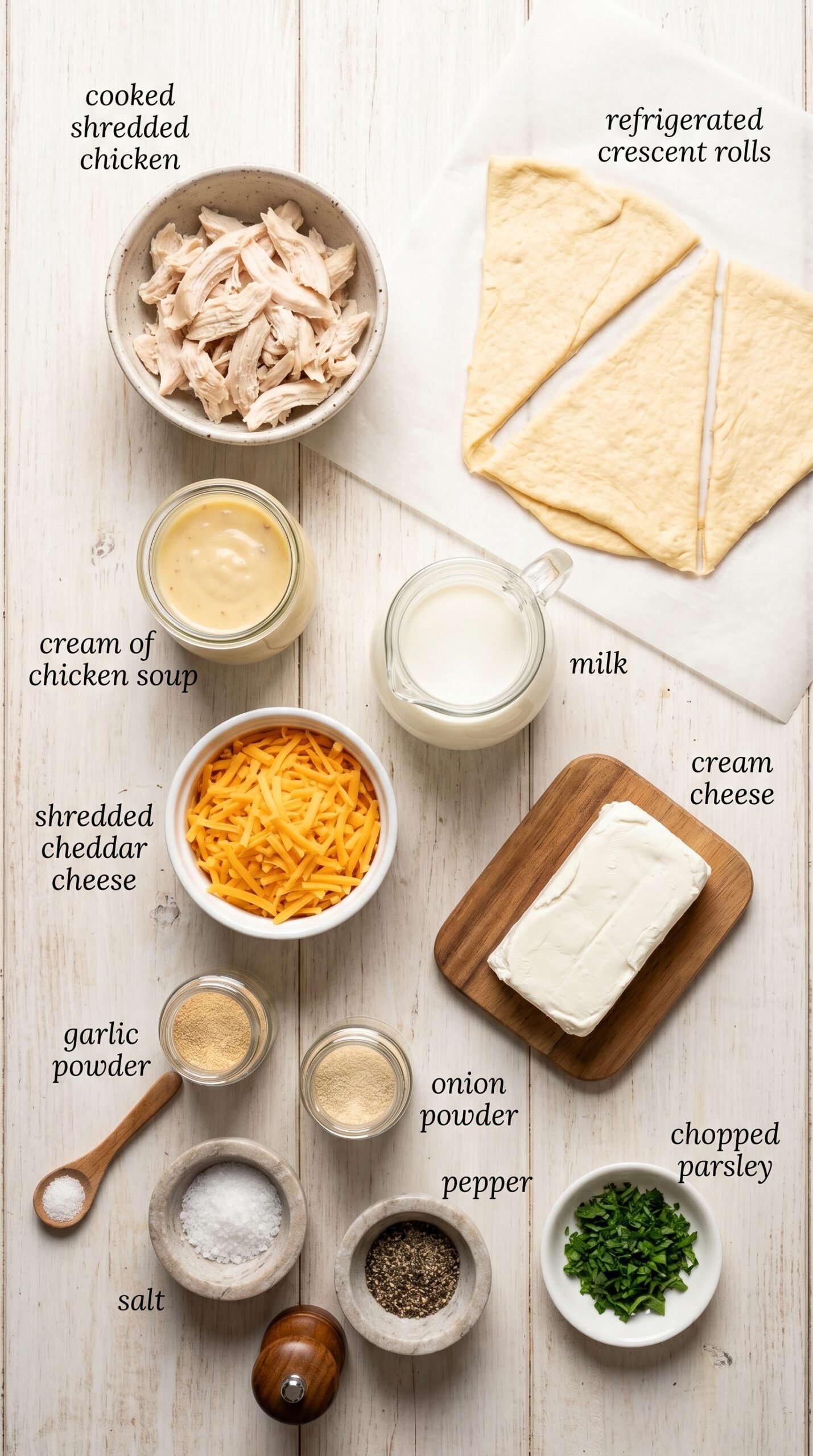
Cooked shredded chicken: Chicken gives the casserole its structure and protein. Use it after it has been cooked and shredded finely enough to tuck into the crescent rolls. If the pieces are too large, the rolls can tear or bake unevenly.
Refrigerated crescent rolls: Crescent dough creates the soft, buttery wrap around the filling. Keep it chilled until you are ready to fill it because warm dough stretches, sticks, and becomes harder to roll tightly.
Cream of chicken soup: This forms the creamy sauce that bakes around the rolls. Use it after the rolls are arranged in the dish, and whisk it well with milk so the sauce spreads evenly instead of sitting in thick patches.
Milk: Milk loosens the soup just enough to pour. Too little milk can make the sauce dense, while too much can create a watery base that softens the crescent bottoms.
Shredded cheddar cheese: Cheddar adds a melted, savory top layer. Add it before baking so it melts into the sauce and gives the casserole a golden finish.
Softened cream cheese: Cream cheese binds the shredded chicken and keeps the filling creamy. It should be softened, not melted, so the filling stays thick enough to roll inside the dough.
Garlic powder: Garlic powder adds a steady savory flavor without adding extra moisture. It blends evenly into the filling and helps the chicken taste seasoned throughout.
Onion powder: Onion powder rounds out the creamy filling and gives it a deeper dinner-style flavor. It works better here than fresh onion because it does not release water into the mixture.
Salt and pepper: Salt sharpens the chicken flavor, while pepper keeps the creamy sauce from tasting flat. Season carefully because the soup and cheese already bring salt.
Chopped parsley: Parsley is optional, but it adds freshness and color after baking. Add it at the end so it stays bright instead of wilting into the hot sauce.
- Finely shredded chicken vs chunky chicken: Fine shreds roll more neatly and hold together better inside the crescent dough.
- Softened cream cheese vs melted cream cheese: Softened cream cheese makes a thick filling, while melted cream cheese can turn the mixture loose and messy.
- Smooth sauce vs lumpy sauce: A smooth soup-and-milk mixture spreads evenly, helping the casserole bake with consistent moisture.
- Cold dough vs warm dough: Cold crescent dough is easier to separate, fill, and roll without tearing.
6) How to Make Chicken Crescent Roll Casserole
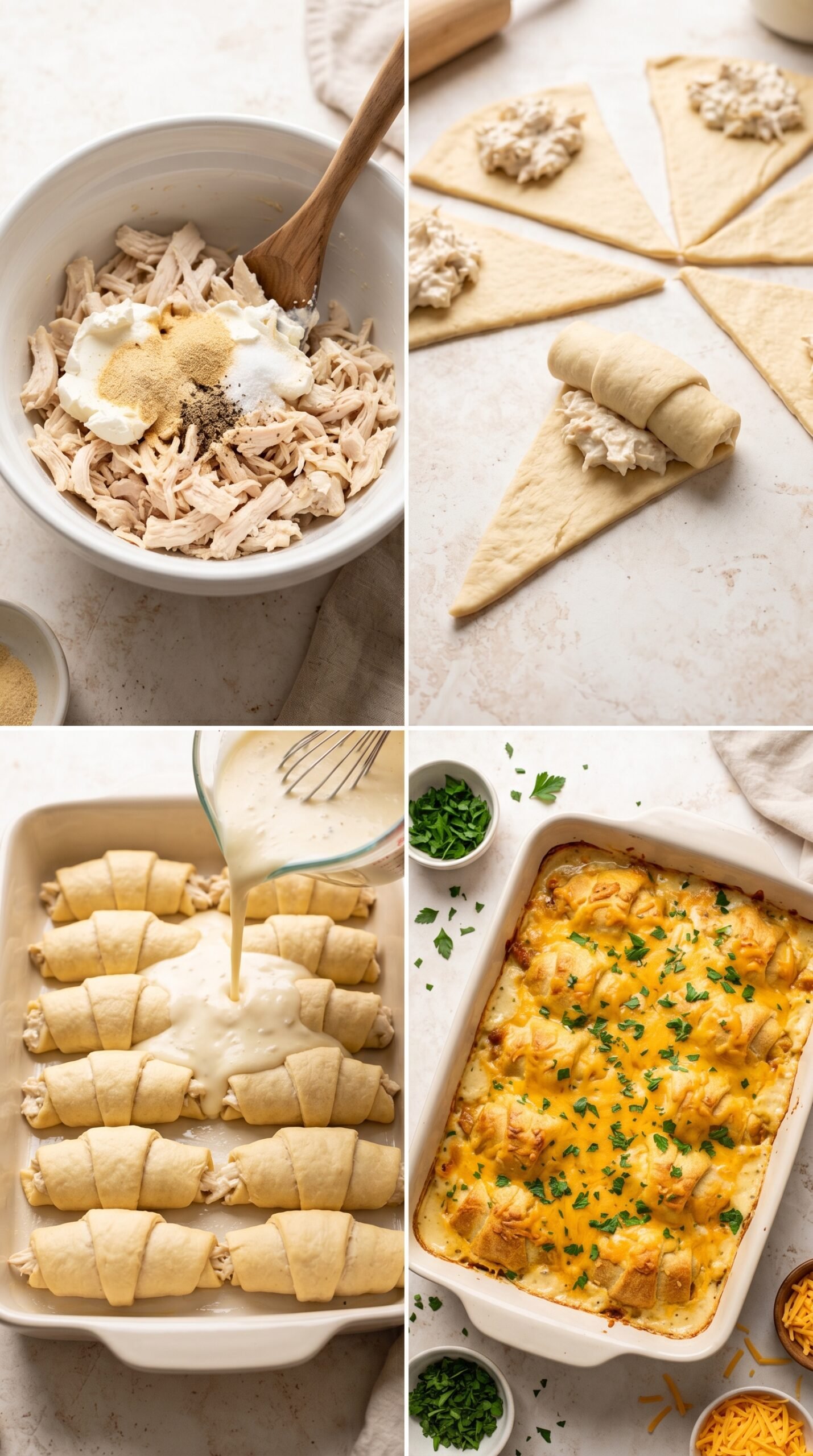
Step 1: Preheat the oven to 375°F and grease a 9×13-inch baking dish. The oven needs to be fully heated before the dish goes in so the crescent dough starts baking instead of slowly absorbing sauce.
Step 2: Mix the softened cream cheese, shredded chicken, garlic powder, onion powder, salt, and pepper until the filling looks creamy and cohesive. If it looks runny, the rolls will be harder to seal and the bottoms may soften too much.
Step 3: Separate the crescent dough into triangles and add about a tablespoon of filling to the wide end of each piece. Roll from the wide end to the point, gently tucking the sides so the chicken stays inside.
Step 4: Arrange the stuffed rolls seam-side down in the baking dish. Whisk the cream of chicken soup and milk until smooth, then pour the sauce evenly over the rolls so every portion has moisture without drowning the dough.
Step 5: Sprinkle cheddar over the top and bake uncovered for 25 to 30 minutes. Look for golden crescent edges, melted cheese, and bubbling sauce around the sides before removing the casserole from the oven.
Step 6: Let the casserole cool slightly before serving. A short rest helps the sauce settle, keeps the filling from spilling out immediately, and makes each portion easier to lift from the dish.
7) Recipe Card: Chicken Crescent Roll Casserole
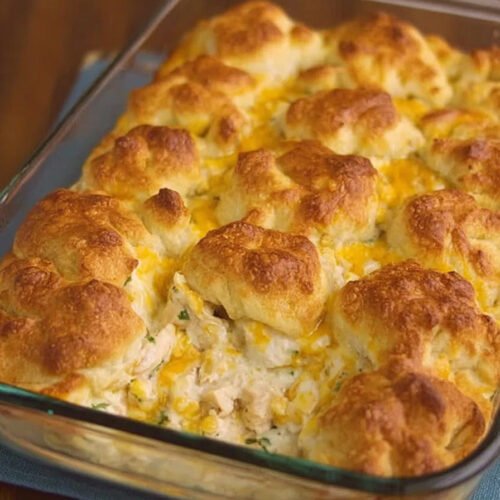
Chicken Crescent Roll Casserole with Creamy Cheddar Filling
Ingredients
- 2 cups cooked shredded chicken, finely shredded so the filling rolls neatly inside the dough
- 1 (8 oz) package refrigerated crescent rolls, kept chilled until filling to help the dough hold its shape
- 1 (10.5 oz) can cream of chicken soup, used as the creamy sauce base for the casserole
- 1/2 cup milk, whisked with the soup to loosen the sauce without making it watery
- 1 cup shredded cheddar cheese, added on top for a melted, savory finish
- 4 oz cream cheese, softened so it blends smoothly into the chicken filling
- 1/2 tsp garlic powder, for gentle savory depth throughout the filling
- 1/2 tsp onion powder, to round out the creamy chicken flavor
- Salt and pepper to taste, added carefully because the soup and cheese already contain salt
- Chopped parsley, optional, for a fresh garnish and color contrast
Instructions
- Preheat the oven to 375°F (190°C). Lightly grease a 9×13-inch baking dish with cooking spray or butter, making sure the corners are coated so the sauce and rolls do not stick.
- In a medium bowl, combine the softened cream cheese, shredded chicken, garlic powder, onion powder, salt, and pepper. Stir until the filling looks creamy, evenly seasoned, and thick enough to hold together without dripping from the spoon.
- Unroll the crescent dough and separate it into triangles. Place about 1 tablespoon of the chicken mixture on the wide end of each triangle, then roll from the wide end toward the point, tucking the sides gently so the filling stays inside.
- Place the stuffed crescent rolls seam-side down in the prepared baking dish. In a separate bowl, whisk the cream of chicken soup and milk until smooth, then pour the sauce evenly over the rolls without leaving large dry patches.
- Sprinkle the shredded cheddar cheese evenly over the casserole. Bake uncovered for 25 to 30 minutes, until the crescent rolls are golden at the exposed edges, the cheese is melted, and the sauce is bubbling around the sides.
- Let the casserole rest for 5 minutes before serving so the filling settles and the sauce thickens slightly. Garnish with chopped parsley if using, then serve while the rolls are still warm and tender.
8) Tips for Making Chicken Crescent Roll Casserole
The most important tip is to control the filling thickness before you touch the dough. The chicken mixture should be creamy enough to spread but firm enough to scoop. If you are using rotisserie chicken, check whether it is very moist; blotting excess moisture helps the crescent roll chicken casserole bake with better structure. Keep the dough cold until assembly, because warm crescent dough stretches and seals poorly. When pouring the sauce, aim for even coverage rather than a heavy flood in one corner. For a cleaner serving texture, rest the casserole for about 5 minutes after baking so the sauce stops bubbling aggressively and thickens around the rolls.
9) Common Mistakes & Fixes
Problem: The crescent rolls turn soggy on the bottom. Cause: The filling may be too wet, the sauce may be too thin, or the rolls may have sat too long before baking. Fix: Use softened cream cheese, avoid over-thinning the soup mixture, and bake soon after assembling.
Problem: The filling leaks out. Cause: The rolls are overfilled or placed seam-side up. Fix: Use about a tablespoon of filling per triangle, tuck the sides gently, and place each roll seam-side down.
Problem: The casserole tastes flat. Cause: Creamy casseroles need enough seasoning to balance the dough, chicken, and sauce. Fix: Season the filling before rolling, then use pepper and parsley at the end for lift.
Problem: The cheese browns before the rolls finish baking. Cause: The oven may run hot or the dish may be placed too high. Fix: Move the dish to the center rack and loosely cover with foil if the top colors too quickly.
10) How to Tell Chicken Crescent Roll Casserole Is Done
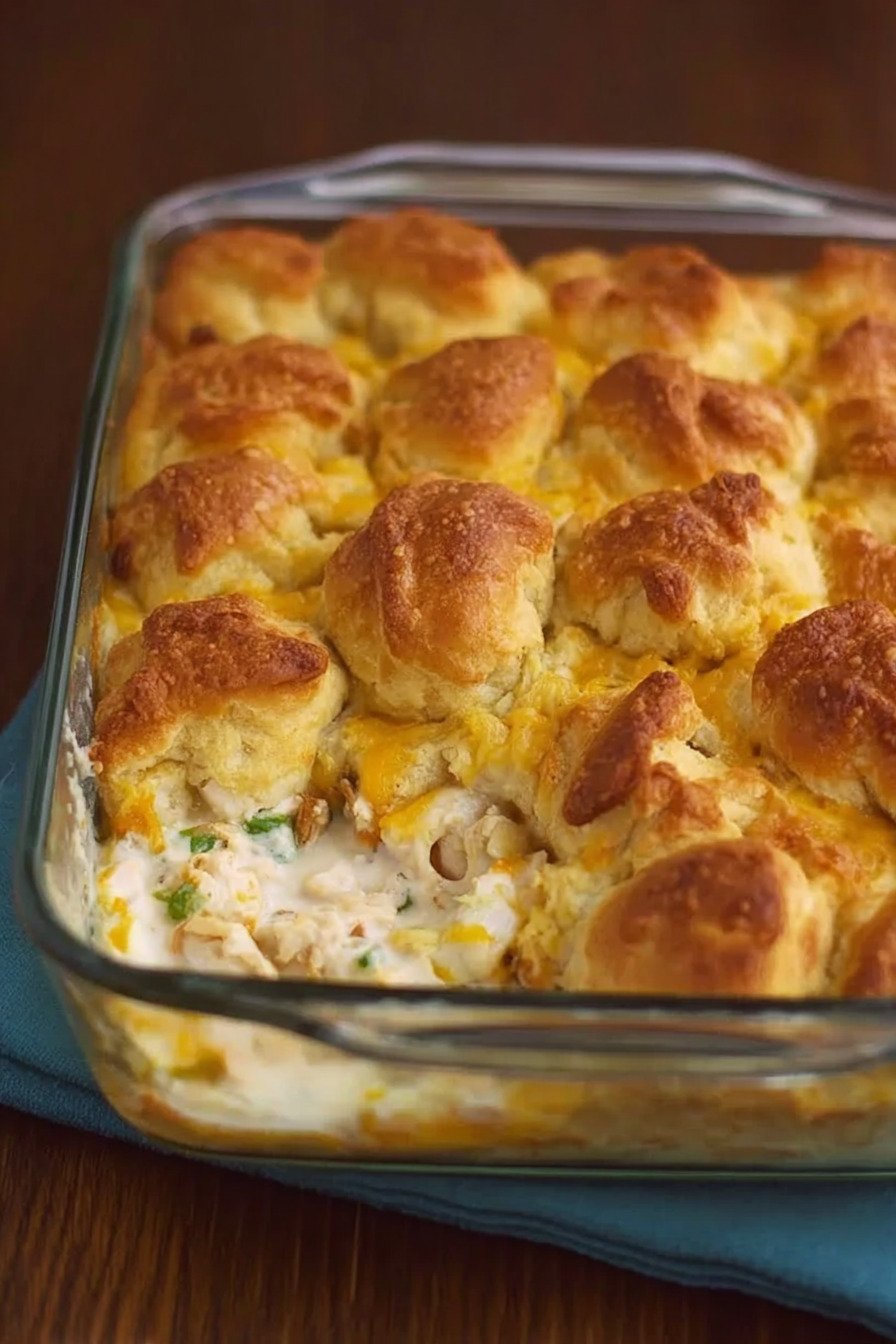
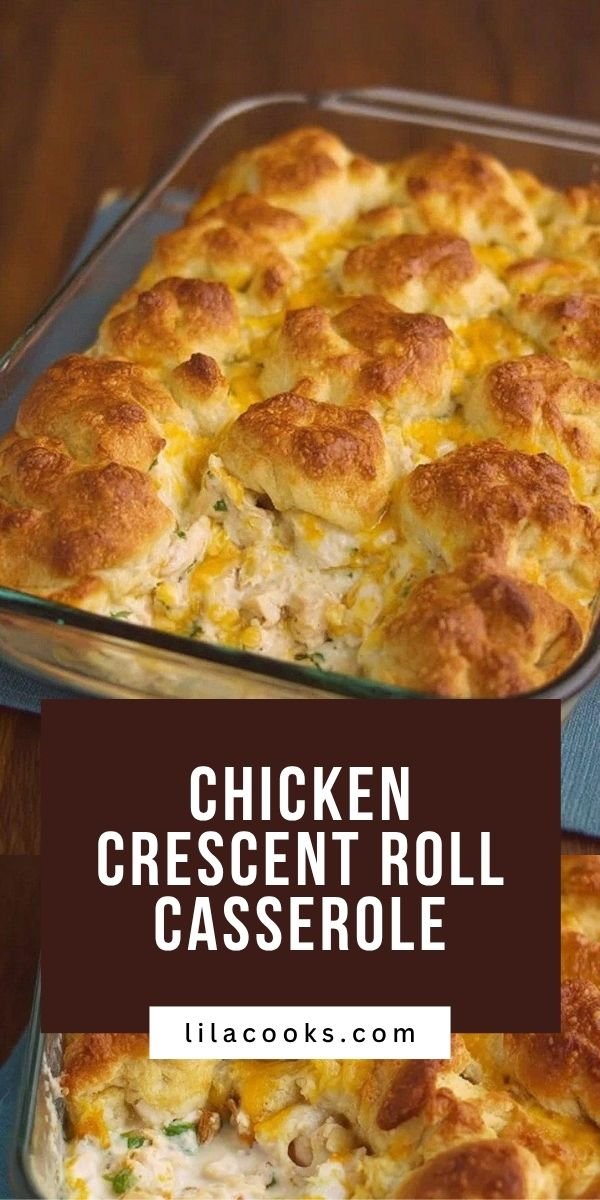
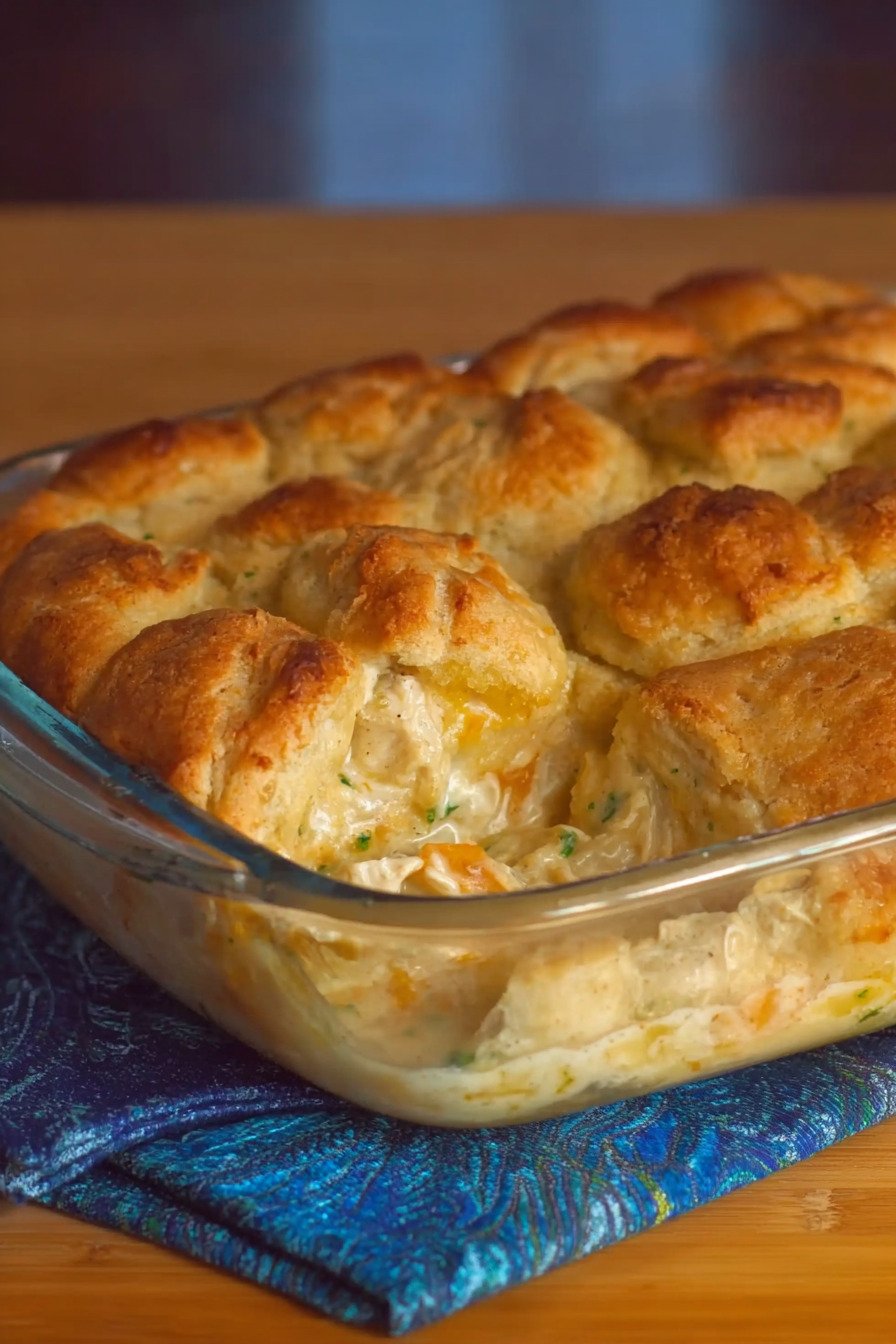
Chicken crescent roll casserole is done when the exposed crescent dough is golden, the cheese is fully melted, and the sauce bubbles around the edges of the dish. The rolls should look puffed rather than collapsed, and the center should feel hot when a spoon is inserted near the middle. The filling should be creamy and warm, not loose or watery. A good casserole smells savory from the chicken, cheddar, garlic powder, and onion powder. Warning signs include pale dough, sauce that looks thin and separated, or rolls that sink when touched. If the top is golden but the center is not bubbling, give it a few more minutes in the oven.
11) Professional Secrets Behind Better Chicken Crescent Roll Casserole
The homemade comfort-food secret is balance: thick filling, controlled sauce, and enough heat for the dough to bake before it absorbs too much moisture. Professional-style casseroles often work because every layer has a job. The cream cheese binds, the chicken gives structure, the crescent dough wraps, the soup mixture surrounds, and the cheddar finishes the top. For better flavor, season the filling instead of relying only on the sauce. For better texture, avoid pressing the rolls tightly into the dish; a little space helps heat move between them. These details make chicken and crescent roll recipes taste intentional instead of heavy.
12) Best Dishes or Pairings to Serve With Chicken Crescent Roll Casserole
This casserole is rich and creamy, so it pairs best with sides that add freshness, crunch, or acidity. Serve it with roasted broccoli, green beans, a crisp cucumber salad, or a simple lettuce salad with a bright vinaigrette. For a heartier dinner, add glazed carrots or steamed peas. If you want a comfort-food plate, mashed potatoes are not necessary because the crescent rolls already bring a soft, starchy element. A lighter side helps the cheddar and cream sauce feel balanced rather than too heavy.
13) Making Chicken Crescent Roll Casserole Ahead of Time
You can prepare parts of this chicken crescent roll casserole ahead, but the dough gives the best texture when assembled close to baking. Mix the chicken filling several hours ahead and keep it covered in the refrigerator. You can also whisk the soup and milk ahead in a separate container. For the best result, fill and roll the crescent dough shortly before baking so it stays tender and does not absorb too much moisture. If the casserole is assembled and chilled, bake it soon and expect a few extra minutes because the dish will start cold.
14) Storing Leftover Chicken Crescent Roll Casserole
Store leftover chicken crescent roll casserole in an airtight container in the refrigerator for up to 3 days. The crescent rolls will soften as they sit, but gentle reheating helps protect the texture. Reheat covered in a 325°F oven until warmed through, then uncover briefly if you want the top to regain a little structure. The microwave works for quick portions, but use shorter intervals so the chicken does not dry out and the sauce does not separate. Freezing is possible, but the crescent dough may become softer after thawing, so refrigeration is better for texture.
15) FAQ (Real Cooking Questions)
Can I use rotisserie chicken? Yes. Rotisserie chicken works well because it is already cooked and flavorful. Shred it finely and avoid adding excess juices from the container so the filling stays thick.
Why did my crescent rolls get soggy? The most common reasons are wet chicken, loose filling, too much sauce, or assembling too far ahead. Keep the filling creamy but firm and bake soon after rolling.
Can I use a different cheese? Yes, but choose a cheese that melts smoothly. Mild cheddar gives a classic flavor, while Monterey Jack makes the top creamier. Stronger cheeses can make the casserole saltier.
Can I make this with leftover chicken? Yes. This is one of the most practical recipes using crescent roll dough because cooked leftover chicken can be turned into a warm dinner quickly. Just make sure the chicken is not too wet.
How do I keep the filling inside the rolls? Use a modest amount of filling, roll from the wide end to the point, tuck the sides lightly, and place each roll seam-side down in the dish.
16) Save This Chicken Crescent Roll Casserole Recipe
If this Chicken Crescent Roll Casserole helped you solve the soggy-roll problem, save it for a cozy dinner night. The key reminder is: keep the filling thick, place the rolls seam-side down, and let the casserole rest before serving.
17) Conclusion
Chicken crescent roll casserole becomes much more reliable when you understand what each step is protecting: the dough needs heat, the filling needs structure, and the sauce needs balance. Once you avoid overfilling, keep the cream cheese mixture thick, and bake until the edges bubble, the dish changes from a rushed casserole into a comforting dinner with clear texture and flavor. The small details are what make it work, and now you know exactly what to watch for before it reaches the table.
18) Nutrition
Serving Size 1 portion Calories 365 Sugar 4 g Sodium 780 mg Fat 23 g Saturated Fat 11 g Carbohydrates 22 g Fiber 1 g Protein 18 g Cholesterol 72 mg





Leave a Comment