
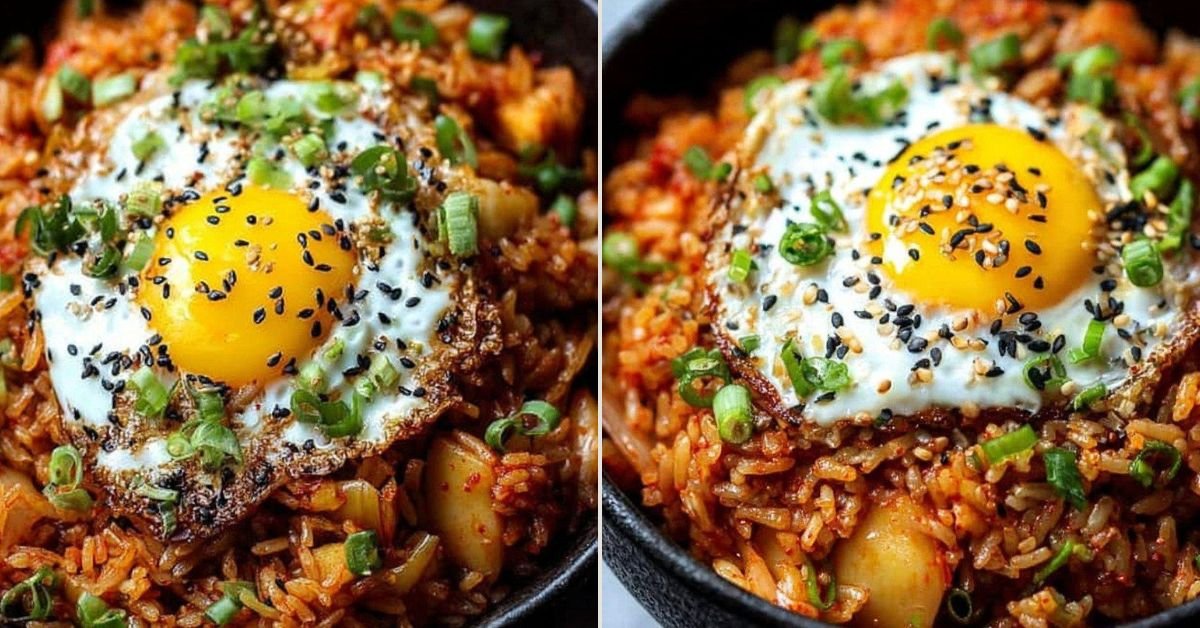
When I crave comfort and strong flavor on a busy night, this bowl of vegetarian kimchi fried rice is the dish I reach for. It has a deep kick, warm rice, and soft egg on top, so every bite feels like a small hug in a hot pan. It fits right into korean vegetarian recipes that feel homely and relaxed, not stiff or fussy. We cook it with plenty of kimchi, garlic, and scallions, so it lines up with vegetarian korean recipes and classic Korean Food Recipes that many of us love. The rice gets that slight char at the edges, then soaks up savory sauce, so it tastes like the best kind of cozy takeout at home. I like that this one pan meal works as part of asian vegetarian recipes, right next to simple korean recipes you may know already. It feels like a bold korean foods recipe yet stays easy enough for a weeknight. Use it as your friendly Korea Food Recipe guide when you want fast heat, real crunch, and a bit of playful mess at the table. We can top each bowl with fried egg, extra kimchi, and a shower of sesame seed and seaweed. The plate looks casual, a bit wild, and completely alive with flavor.
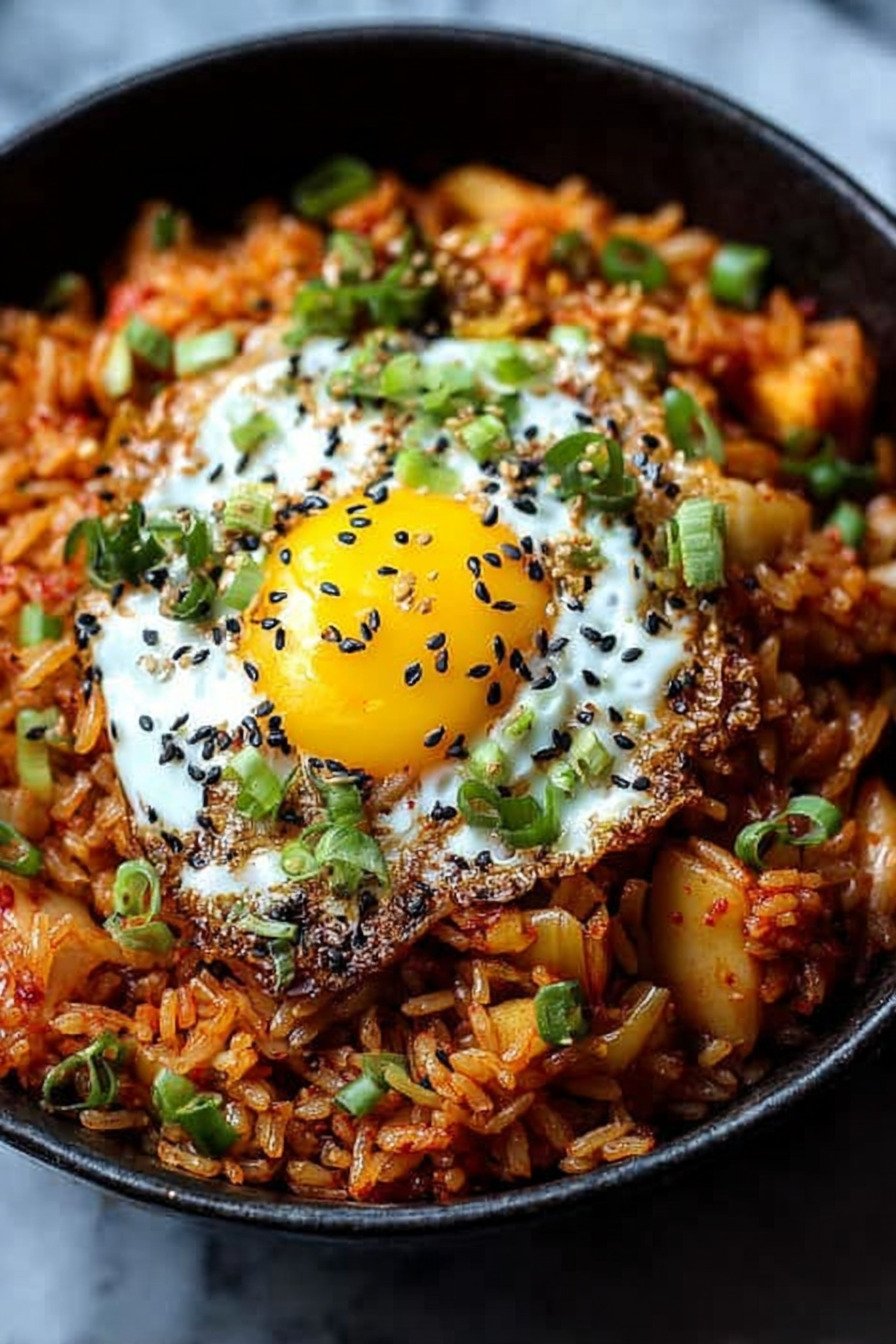
Table of Contents
- 1) Key Takeaways
- 2) Easy Vegetarian Kimchi Fried Rice Recipe
- 3) Ingredients for Vegetarian Kimchi Fried Rice
- 4) How to Make Vegetarian Kimchi Fried Rice
- 5) Tips for Making Vegetarian Kimchi Fried Rice
- 6) Making Vegetarian Kimchi Fried Rice Ahead of Time
- 7) Storing Leftover Vegetarian Kimchi Fried Rice
- 8) Try these Main Course next
- 9) Vegetarian Kimchi Fried Rice
- 10) Nutrition
1) Key Takeaways
This bowl of vegetarian kimchi fried rice gives strong flavor with calm effort. We lean on pantry ingredients, one pan, and a gentle pace, so a weeknight still feels relaxed. The dish tastes bold yet feels light, much like a meat free Korean rice bowl that grew up in a home kitchen.
The rice stays tender with small crisp spots, the kimchi stays bright, and the egg on top adds a soft rich layer. Each bite carries heat, tang, and a slight smoky edge from the hot pan. The mix feels balanced, not heavy.
You can treat this recipe as a base and change small pieces as life shifts. Add tofu, swap peas for edamame, change the spice level, or skip the egg when you want a plant based Korean comfort food plate. The method stays steady and forgiving.

2) Easy Vegetarian Kimchi Fried Rice Recipe
When I crave comfort with a small kick, I reach for this bowl from my list of korean vegetarian recipes. It fits right in with other korean vegetarian recipes that feel homely and relaxed, yet it comes together with little effort. I heat one pan, pull cold rice from the fridge, open a jar of kimchi, and a warm meal lands on the table before my mind has time to wander.
I built this version for busy cooks who like vegetarian korean recipes but need a clear path from pantry to plate. The flavor leans on kimchi, soy sauce, and sesame oil, so it links well with many asian vegetarian recipes you may keep close. Heat, tang, and a bit of char wake up plain rice and make it feel new each time.
Here on Lila Cooks I try to keep recipes like this friendly and forgiving. If your day ran long, this bowl still feels within reach. We cook, we taste, we adjust, and we sit down with a simple pan of food that carries a story and a steady mood from my kitchen to yours at Lila Cooks.
3) Ingredients for Vegetarian Kimchi Fried Rice
Cooked white rice Cold rice from the day before works best, since the grains stay loose and ready to soak up flavor without turning heavy or sticky.
Chopped vegetarian kimchi This brings bright heat, crunch, and tang. It sits at the heart of many Korean Food Recipes and gives this simple pan a deep, lived in taste.
Diced onion The onion softens in the pan and sets a sweet base under the stronger flavors, so the heat from the kimchi feels balanced.
Minced garlic Garlic turns gentle and fragrant in the warm oil. It supports the kimchi and gives the rice a cozy kitchen scent.
Small carrot in tiny cubes The carrot adds color and a light crunch. It softens only a bit, so each bite holds texture.
Frozen peas Peas add small sweet pops of green. They thaw in the hot rice and make the bowl feel more complete.
Soy sauce or tamari This brings salt and depth. A small splash pulls the rice, kimchi, and vegetables into one calm yet strong flavor line.
Gochujang paste This smooth chili paste adds slow heat and a hint of sweetness. It paints the rice with a warm color and gives round depth to each bite.
Toasted sesame oil A small drizzle near the end adds a nutty scent that floats from the pan. The rice feels richer without turning heavy.
Neutral oil for the pan This helps the vegetables soften and lets the rice crisp in small spots without strong flavor from the oil itself.
Green onions We cook the white parts with the onion for sweetness and scatter the green tops at the end for a fresh sharp finish.
Salt and ground black pepper Small pinches help you guide the final flavor. You taste and adjust near the end so nothing feels flat or harsh.
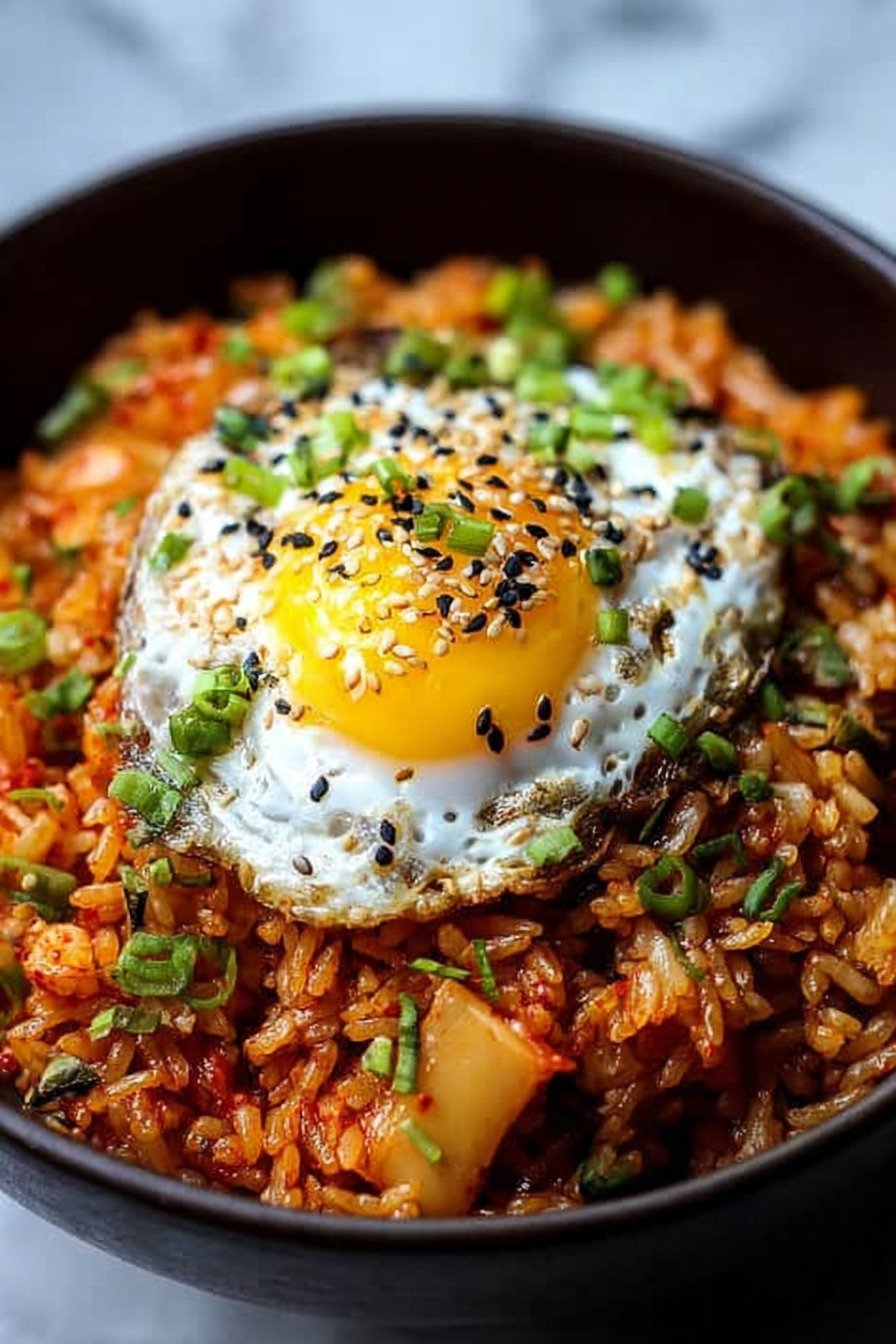
Eggs A fried egg on each bowl adds gentle richness. The yolk runs into the rice and turns each spoonful silky and calm.
Extra kimchi A small spoon on top brings cold crunch against the warm rice and lets each person raise the heat as they like.
Roasted sesame seeds and seaweed strips These sit on the top and lend crunch and a light toasted note, so the final bowl feels textured and lively.
4) How to Make Vegetarian Kimchi Fried Rice
Step 1 Break up the cold rice in a wide bowl with your hands or a fork. The grains should sit loose so they can move through the pan with ease and catch every bit of flavor.
Step 2 Warm a large deep pan on medium heat and pour in the neutral oil. Add the diced onion and the white parts of the green onion and cook until they soften and smell gentle and sweet.
Step 3 Stir in the garlic and carrot and give them time to soften a bit. The garlic should smell full and warm, not sharp, and the carrot should keep a slight bite.
Step 4 Add the chopped kimchi with a spoon of its juice. Let it sizzle until the edges pick up light color and the scent fills the kitchen the way many Korean Food Recipes do.
Step 5 Spoon in the gochujang and soy sauce and stir until the vegetables look glossy and coated. Every piece should wear a thin layer of sauce, with no dry spots at the bottom of the pan.
Step 6 Tip in the loose rice. Fold it through the sauce with a firm spatula, pressing down on any small clumps. The grains should stay whole and colored by the sauce.
Step 7 Leave the rice in an even layer for a short stretch so the bottom forms crisp spots. Then stir and repeat once or twice until you see tiny golden bits and smell a light toasted note.
Step 8 Add the peas and the green tops of the onions and toss them through the rice. Drizzle in the sesame oil, taste, and add small pinches of salt and pepper until the flavor feels rounded and steady.
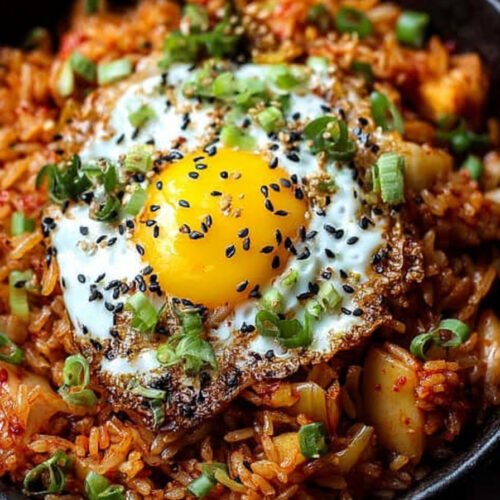
Step 9 In a separate pan cook the eggs to your taste. Soft yolks turn into a sauce over the rice, while firm yolks give a tidy plate that still feels rich.
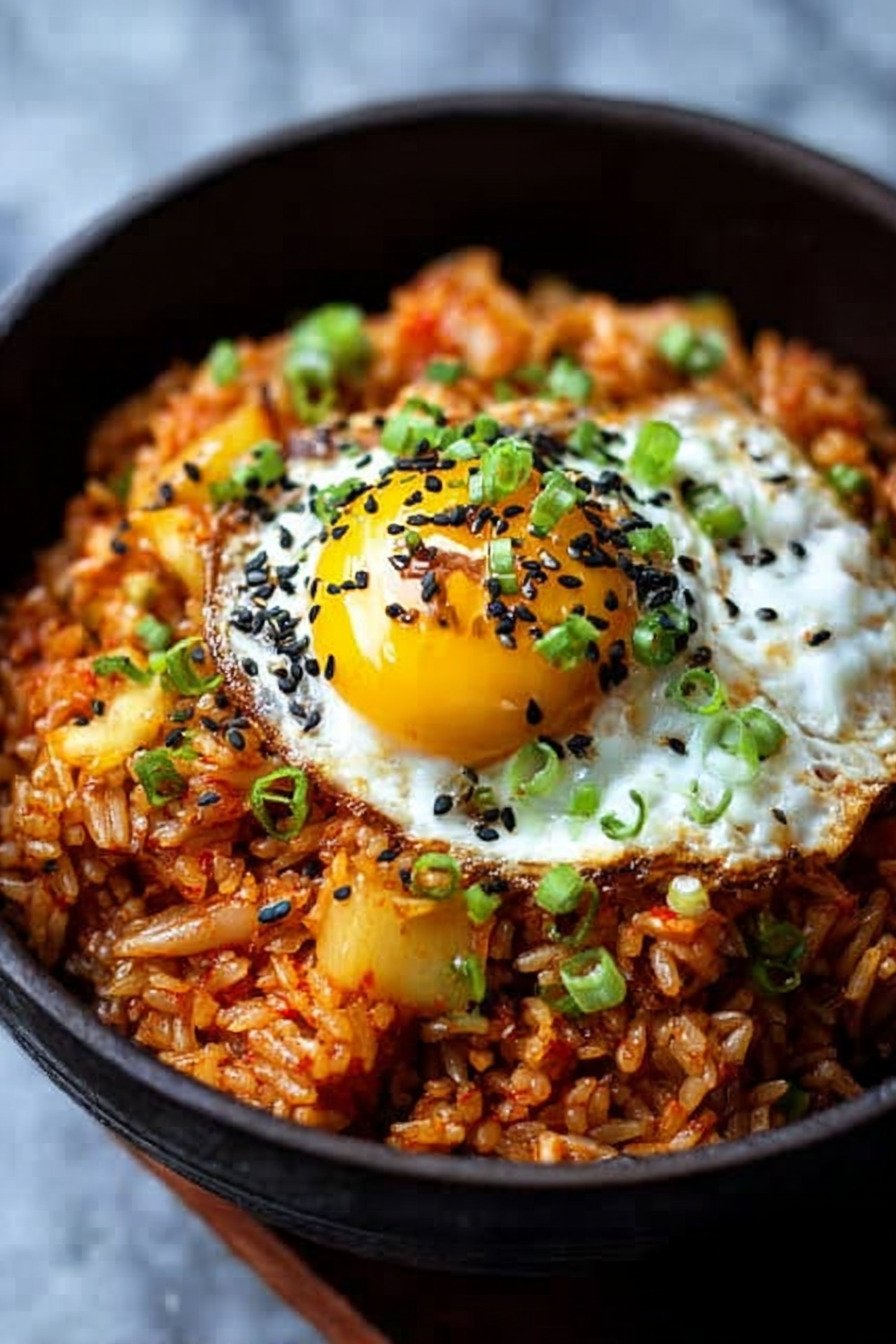
Step 10 Spoon the rice into warm bowls, add an egg to each one, and finish with extra kimchi, sesame seeds, and seaweed strips. Serve right away while the rice stays hot and the edges stay slightly crisp.
5) Tips for Making Vegetarian Kimchi Fried Rice
Cold rice makes a big difference in this pan. Fresh hot rice tends to clump and turn soft, while leftover rice breaks apart and picks up sauce with ease. If you cook rice the same day, spread it on a tray and let it cool before you start the recipe.
Think of this as one branch of korean vegetarian recipes and move with that same gentle freedom. You can raise the heat with more gochujang or hold it back with mild kimchi. Treat it as a friendly Korea Food Recipe that shifts with your mood and your pantry.
Start light with soy sauce, since kimchi often carries plenty of salt already. Taste near the end and add only what you need. A small drizzle of sesame oil near serving brings a strong scent, so keep that pour short for balance.
6) Making Vegetarian Kimchi Fried Rice Ahead of Time
You can cook the rice part of this dish ahead and keep it in the fridge. The flavors settle and mingle, so the next day the pan tastes even deeper. Warm it on medium heat with a tiny splash of water so the grains relax and soften again.
Wait to fry the eggs until just before you plan to eat. A fresh egg on top keeps the bowl lively and gives that soft rich layer that many people love. The contrast between warm rice and just cooked egg keeps each bite interesting.
This approach turns the dish into a very forgiving korean foods recipe for busy weeks. Make a large batch on a quiet day, chill it, and portion it as needed. Add a bit of extra kimchi or a new vegetable when you warm it to give each round a small twist.
7) Storing Leftover Vegetarian Kimchi Fried Rice
Store leftover rice in a sealed container in the fridge. Let it cool to room temperature before you pack it so steam does not gather on the lid and drip back onto the rice. The texture will hold well for several days.
When you reheat the rice, use a pan on medium heat rather than a very hot pan. A small splash of water helps loosen the grains and wake up the sauce. Stir until the rice feels hot through the center and smells bright again.
This dish fits nicely into your set of korean recipes for lunch boxes and quick solo dinners. You can pack the rice in a container, add a fresh egg or tofu at work, and still enjoy a meal that feels full of care even on a fast day.
8) Try these Main Course next
9) Vegetarian Kimchi Fried Rice
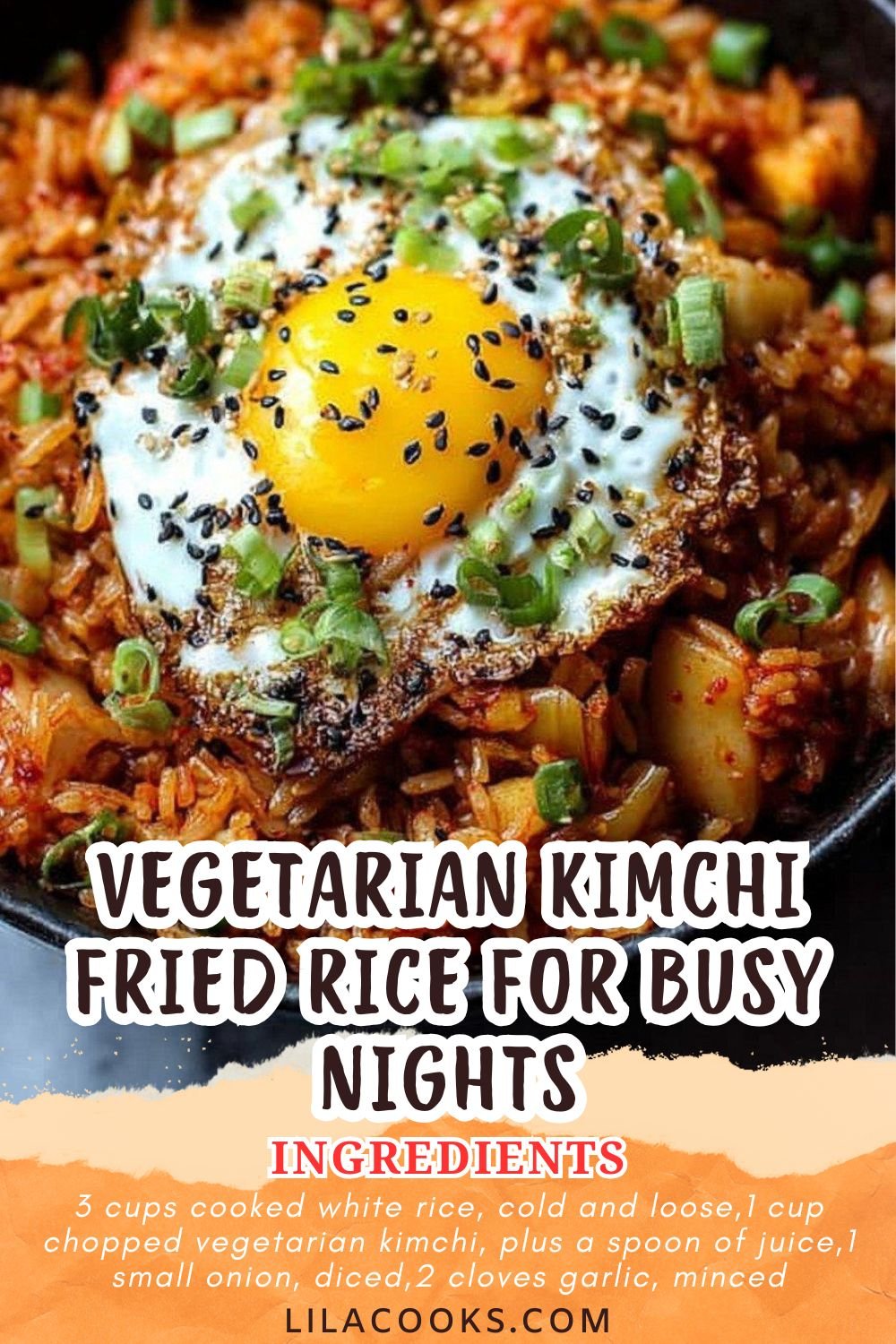
Vegetarian Kimchi Fried Rice For korean vegetarian recipes Lovers
Ingredients
For the kimchi fried rice
- 3 cups cooked white rice, cold and loose
- 1 cup chopped vegetarian kimchi, plus a spoon of juice
- 1 small onion, diced
- 2 cloves garlic, minced
- 1 medium carrot, cut in tiny cubes
- 1 cup frozen peas, thawed
- 2 tbsp soy sauce or tamari
- 1 tbsp gochujang paste, more to taste
- 2 tsp toasted sesame oil
- 2 tbsp neutral oil for the pan
- 2 green onions, sliced, white and green parts kept apart
- Salt and ground black pepper to taste
For serving
- 4 eggs, fried or sunny side up
- Extra kimchi for each plate
- Sliced green onion tops
- Roasted sesame seeds
- Thin strips of roasted seaweed
Instructions
For the kimchi fried rice
- Set the cooked rice in a wide bowl and break up any tight clumps with a fork so the grains feel light and airy.
- Place a large deep pan on medium heat and pour in the neutral oil. When the oil feels hot, add the diced onion and the white parts of the green onions. Cook until they turn soft and smell sweet.
- Stir in the garlic and carrot. Cook a short time until the garlic smells rich and the carrot starts to soften.
- Add the chopped kimchi and a spoon of the juice to the pan. Let it sizzle so the edges of the kimchi pick up a light char and the scent fills the kitchen.
- Spoon in the gochujang paste and soy sauce. Stir until the vegetables look glossy and well coated.
- Tip in the rice. Use a firm spatula to press and fold the rice through the sauce, breaking any last small clumps so each grain picks up flavor.
- Let the rice sit in the pan for short stretches so the bottom forms tiny crisp spots, then stir and repeat once or twice.
- Drizzle the toasted sesame oil over the rice and add the sliced green tops of the onions. Toss again and taste, then add salt and pepper as you like.
For serving
- In a small pan, cook the eggs to your taste, with soft yolk for a rich sauce or firm yolk for a tidy plate.
- Scoop the hot kimchi fried rice into warm bowls. Set one egg on each portion.
- Finish with extra kimchi, a small handful of green onion, a pinch of sesame seeds, and strips of seaweed on top. Carry to the table and serve right away.
10) Nutrition
This vegetarian kimchi fried rice gives a steady mix of comfort and balance. The bowl holds rice for gentle energy, egg for protein, and plenty of vegetables from kimchi, carrot, and peas. The meal feels filling but does not sit heavy.
The dish leans on chili paste and kimchi for strong flavor instead of large amounts of added fat. A small drizzle of sesame oil adds rich scent with only a little extra weight. You can adjust the egg or add tofu if you want more protein for a longer day.
When you place this bowl among other korean vegetarian recipes, it holds its own as a veggie centered Korean home cooking option. The mix of grains, vegetables, and gentle fat lines up with many daily goals. You sit down to a warm meal that feeds both body and mood without strain.
Leave a Comment